Uncovering Synchronization Between Multi-Level Incentive Structures and Progressive Prize Pool Selections in App-Based Wagering Environments
Otto Peters · Jul 30, 2026
Uncovering Synchronization Between Multi-Level Incentive Structures and Progressive Prize Pool Selections in App-Based Wagering Environments
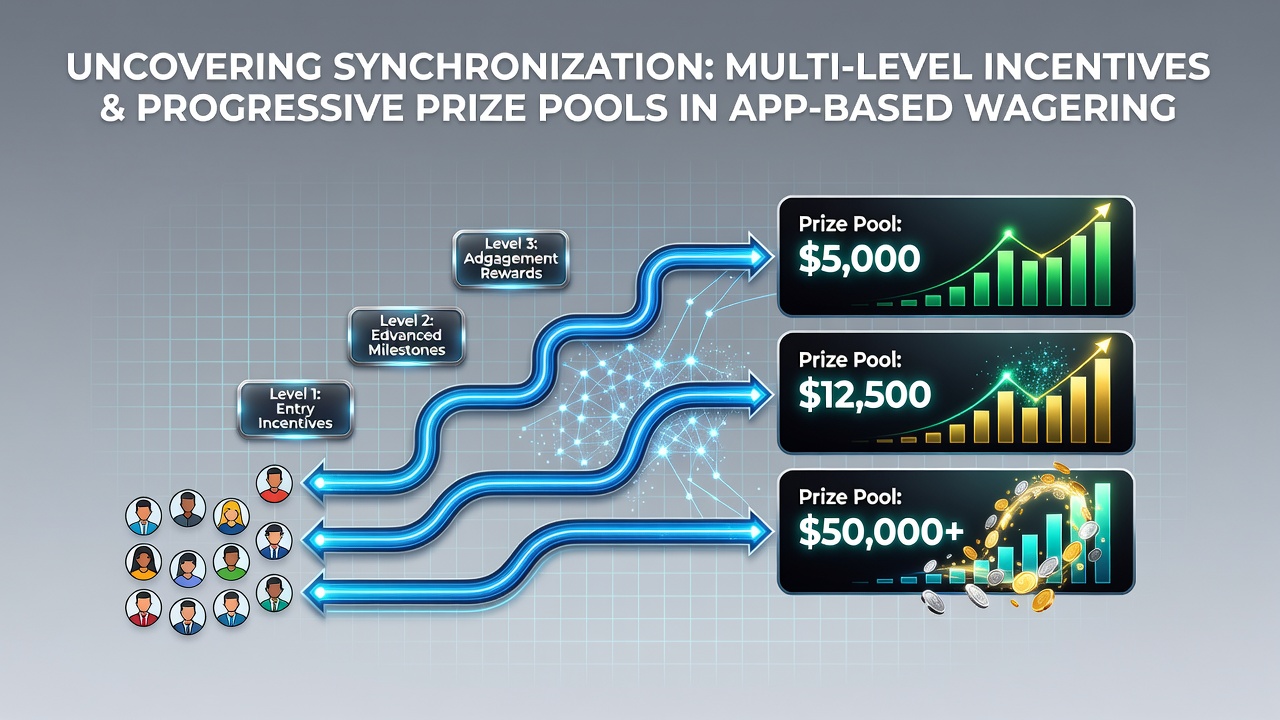
App-based wagering platforms have developed intricate systems that align multi-level incentive structures with progressive prize pool mechanisms, creating measurable patterns in user progression and pool accumulation. Data from industry tracking services shows these alignments often occur through algorithmic triggers that adjust reward tiers based on contribution levels to shared prize pools. Observers note that synchronization points typically emerge when users reach specific deposit or activity thresholds, at which point both their personal incentives and the collective prize pool advance in coordinated steps.
Research from the American Gaming Association indicates that as of July 2026, many mobile wagering applications now employ real-time data feeds to monitor how individual tier advancements affect overall pool sizes. These feeds track variables such as wager frequency, stake amounts, and retention streaks, then feed the information into selection algorithms that determine when a prize pool enters its next progressive stage. The result appears in user interfaces as simultaneous updates: a player climbs from bronze to silver status while the displayed jackpot counter ticks upward by a proportional amount.
Mechanics of Tiered Incentives and Pool Growth
Multi-level incentive structures generally consist of four to six ascending tiers, each tied to cumulative activity metrics. Progressive prize pools, meanwhile, accumulate a percentage of every qualifying wager across the platform. Synchronization occurs because the software links tier multipliers directly to the rate at which funds enter the pool. For instance, users in higher tiers may contribute a slightly larger percentage to the pool yet receive accelerated personal rewards that offset the difference.
Analysts at the Canadian Gaming Association have documented cases where platforms adjust these linkages monthly. One documented pattern shows that when a critical mass of users advances into teh third tier, the pool selection algorithm increases the visibility of the next progressive milestone, prompting further engagement. This feedback loop operates without manual intervention, relying instead on predefined parameters that balance individual progression against collective accumulation.
Selection Algorithms and Cross-Platform Data
Progressive prize pool selections in these environments rely on algorithms that evaluate both volume and velocity of contributions. When combined with tiered incentives, the algorithms prioritize selections that reward users who have maintained consistent activity across multiple devices. Figures from the European Gaming and Betting Association reveal that cross-device tracking now captures over 70 percent of wagering sessions in major markets, allowing pools to reflect activity whether users switch between phones, tablets, or desktop applications.
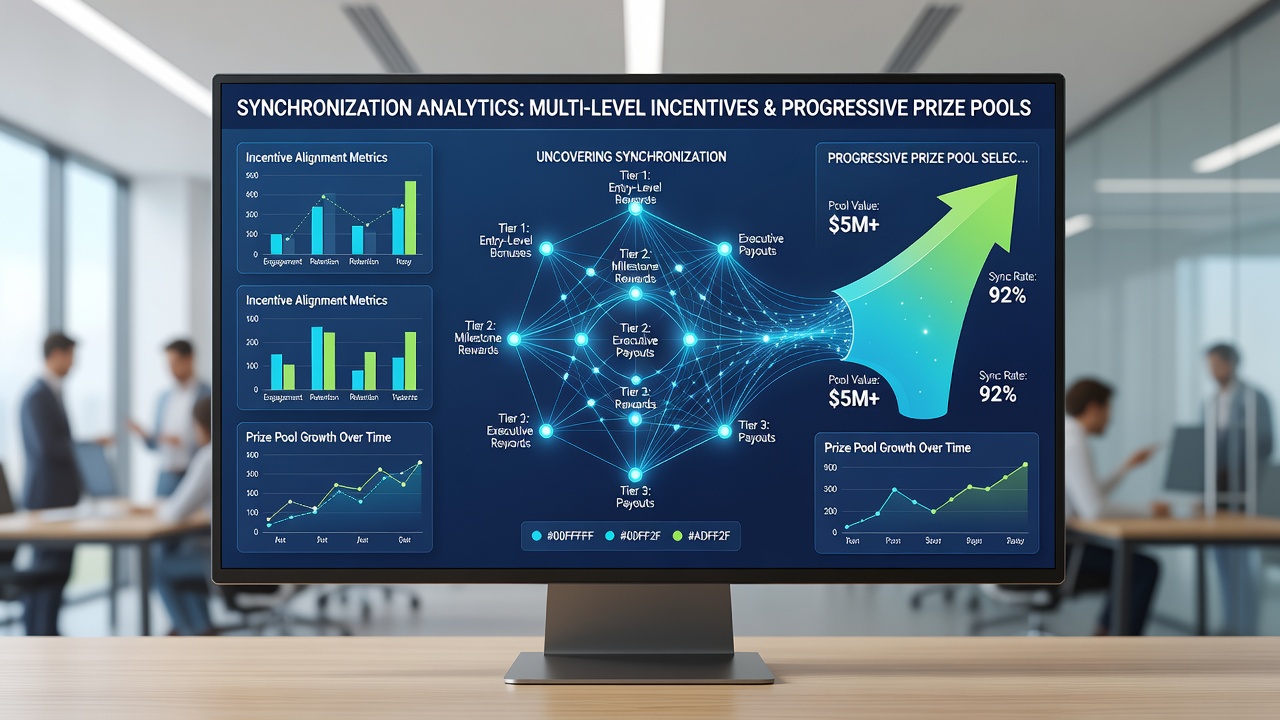
One study released in early 2026 examined three major platforms and found that synchronized systems produced steadier pool growth rates compared with unsynchronized models. The difference stemmed from reduced variance in contribution timing, since tier advancements often triggered additional wagers that fed directly into the pool. Researchers observed that these effects scaled with user base size, becoming more pronounced once daily active accounts exceeded 50,000.
Regional Variations in Implementation
Implementation details differ by jurisdiction. Markets with established regulatory frameworks tend to require transparent reporting of how incentive tiers influence pool contributions. In contrast, emerging markets show more experimental linkages, such as time-limited tier boosts that temporarily accelerate pool growth during promotional windows. Data collected through July 2026 suggests that platforms operating in multiple regions maintain separate synchronization parameters for each regulatory environment while preserving a unified user experience.
Take one developer whose Australian operations tie tier progression to a national lottery-style pool, while the same company's North American version connects tiers to segmented state-level pools. The underlying code remains similar, yet the selection thresholds adjust to local compliance rules. Observers note that such regional tuning helps maintain synchronization even when regulatory caps limit maximum pool sizes.
Retention Patterns Linked to Synchronized Systems
Retention metrics provide further evidence of synchronization effects. Platforms that align incentive tiers with progressive pools report longer average session durations and higher return rates within 48 hours of a tier advancement. The correlation appears because users who see both their personal status and the shared pool advance simultaneously experience compounded motivation. Industry reports indicate these patterns hold across demographic groups, although the strength of the effect varies with wager size and frequency.
Academic researchers at the University of Nevada, Las Vegas, have begun longitudinal studies tracking these dynamics. Early findings suggest that synchronized designs reduce the drop-off rate that typically occurs between the second and third incentive tiers, a point where many users historically disengage. The studies attribute the improvement to the visible, simultaneous growth of both personal rewards and collective prize pools.
Conclusion
The synchronization between multi-level incentive structures and progressive prize pool selections in app-based wagering environments continues to evolve through iterative software updates and regulatory adjustments. As of July 2026, the mechanisms rely on real-time data integration, cross-device tracking, and region-specific parameters that maintain balance between individual advancement and collective accumulation. Further documentation from industry associations and academic institutions will likely refine current understandings of these interconnected systems.