Tracing Deposit Bonus Tiers and Retention Patterns in Mobile-First Casino Platforms
Riley Günther · Aug 23, 2026
Tracing Deposit Bonus Tiers and Retention Patterns in Mobile-First Casino Platforms
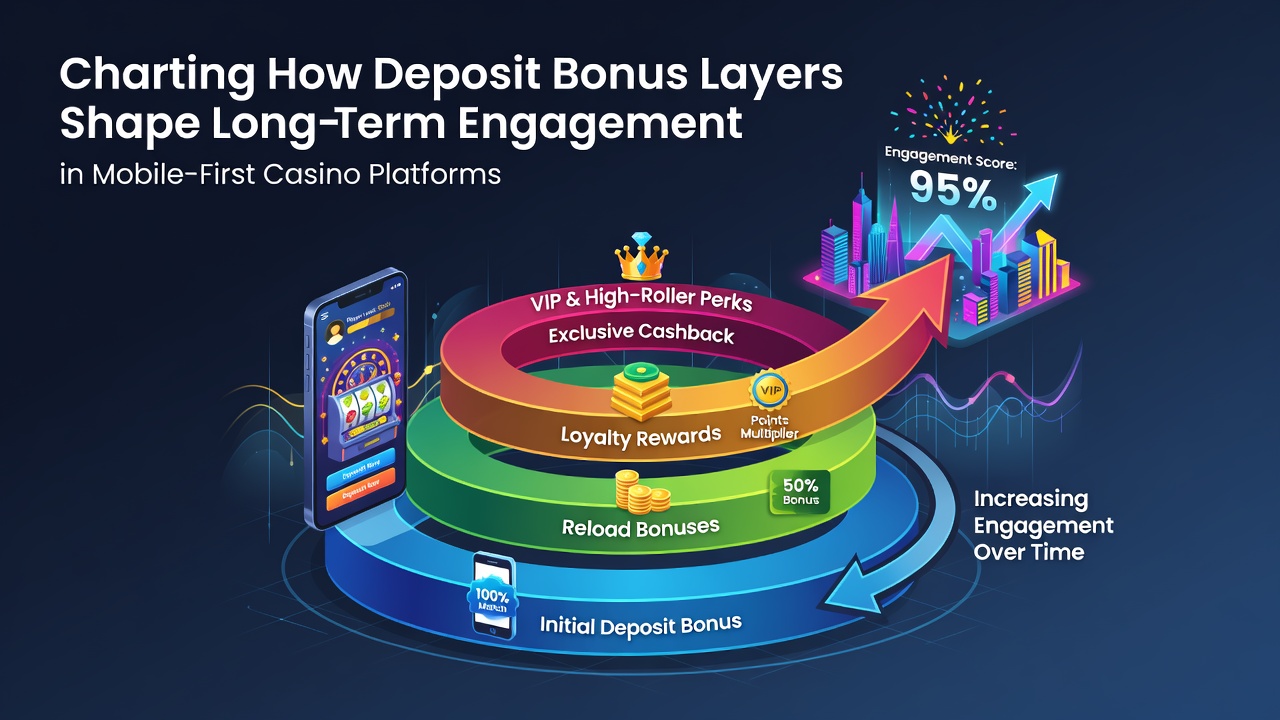
Deposit bonus layers function as structured incentive systems that operators deploy across mobile casino platforms to influence user activity over extended periods. These systems typically combine initial match offers, reload incentives, cashback tiers, and loyalty escalators tied directly to deposit frequency and volume. Data from platform analytics indicate that players encountering multi-layered bonuses show measurable differences in return rates compared to those receiving single-tier promotions.
Industry tracking through August 2026 reveals that mobile-first operators have refined these layers to align with device-specific behaviors. Push notifications trigger additional deposit matches during peak evening hours, while progressive cashback scales activate after cumulative weekly deposits reach set thresholds. Such mechanisms create sequential reward pathways that extend session intervals and encourage repeated funding events.
Structural Components of Layered Deposit Systems
Operators structure deposit bonuses in progressive stages that unlock based on deposit size and timing. The first layer often delivers a percentage match on the initial deposit, capped at a fixed amount, followed by subsequent reload offers that decrease in percentage but increase in frequency. Research compiled by the American Gaming Association shows these staged rewards correlate with higher average deposit counts per active user across smartphone applications.
Additional layers incorporate time-bound multipliers and conditional cashback that activate only after players complete a defined number of deposits within a calendar month. These conditions generate recurring funding cycles because users must maintain consistent deposit patterns to access the next tier. Platform logs demonstrate that users who clear the second or third layer maintain accounts active for longer durations than those who engage with only the entry-level bonus.
Observed Engagement Metrics Across Platforms
Analytics firms monitoring cross-device activity report that mobile users exposed to layered deposit incentives exhibit elevated retention at the 30-day and 90-day marks. Session frequency rises when reload bonuses trigger automatically upon reaching deposit milestones, creating a feedback loop that reinforces habitual logins. Figures from Canadian provincial gaming reports highlight similar patterns in regions where mobile platforms dominate market share.
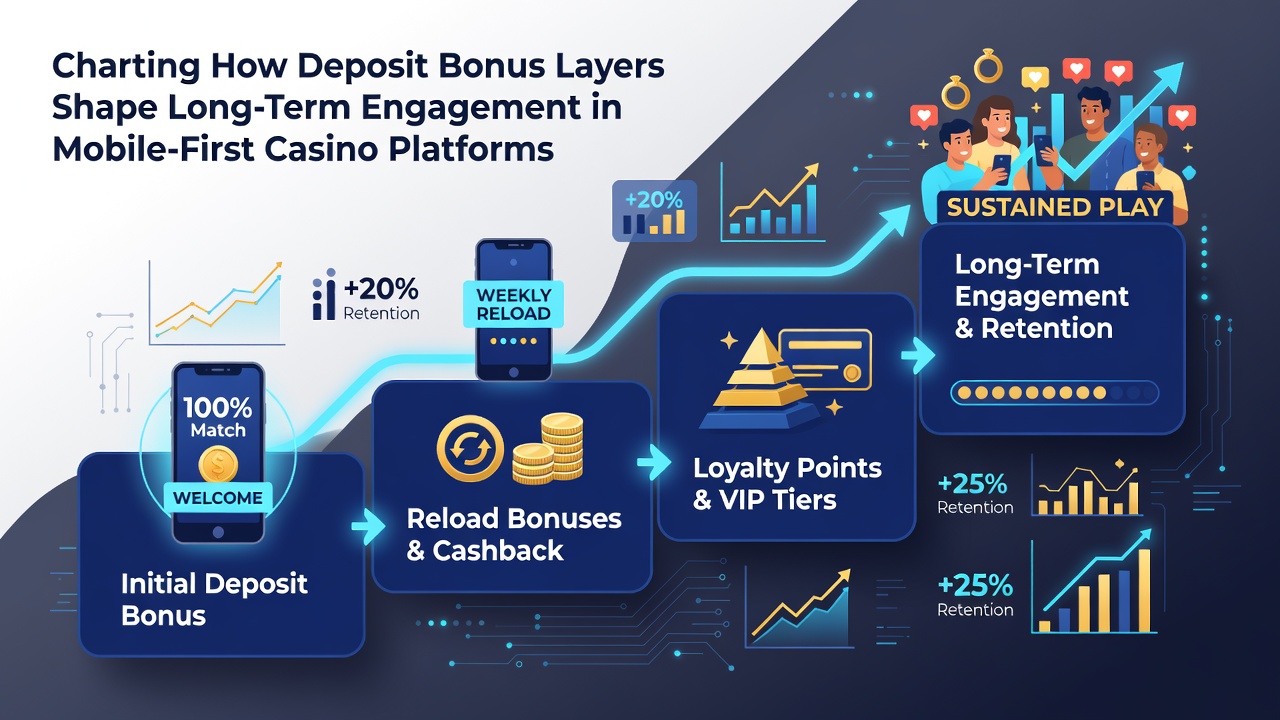
One documented case involved a regional operator that introduced a four-tier deposit ladder in early 2026. Users progressing through all tiers recorded a 22 percent increase in monthly active days compared with the control group receiving flat bonuses. Deposit volume per user also climbed as the final cashback layer required sustained activity to unlock full value.
Behavioral Patterns and Platform Adjustments
Players navigate these layers by timing deposits to coincide with bonus activation windows, a behavior that platform algorithms now anticipate and accommodate through personalized scheduling. Observers note that mobile interfaces streamline this process with one-tap deposit options that automatically apply the next available layer. Such design choices reduce friction and sustain momentum through the reward sequence.
Adjustments in August 2026 include dynamic layer adjustments based on individual deposit velocity. High-frequency depositors encounter accelerated tiers that deliver smaller but more frequent rewards, while infrequent users receive larger entry matches designed to restart activity. These tailored progressions appear in operator dashboards as segmented engagement curves.
Comparative Data from Regional Markets
Reports issued by the Australian Communications and Media Authority track how deposit bonus layering affects retention across different regulatory environments. Platforms operating under stricter deposit frequency caps show slower progression through tiers, resulting in extended timelines before users reach higher reward levels. In contrast, markets with fewer restrictions record faster tier advancement and correspondingly higher long-term account persistence.
University-led studies examining transaction data from multiple jurisdictions find consistent correlations between the number of active bonus layers and the probability of sustained monthly deposits. The presence of at least three distinct layers associates with reduced churn rates, particularly among users who access platforms exclusively through mobile applications.
Conclusion
Layered deposit bonus systems continue to evolve as mobile casino operators collect granular engagement data through 2026. These structures shape long-term participation by establishing sequential reward conditions that align with user deposit habits and device usage patterns. Platform metrics indicate that carefully calibrated tiers sustain activity across extended periods while single-layer approaches produce shorter engagement windows. Ongoing refinements in tier design reflect measured responses to observed retention data across varied regulatory landscapes.