Player Habit Formation Through Sequential Reward Unlocks in Networked Slot Environments
Casey Peters · Jul 9, 2026
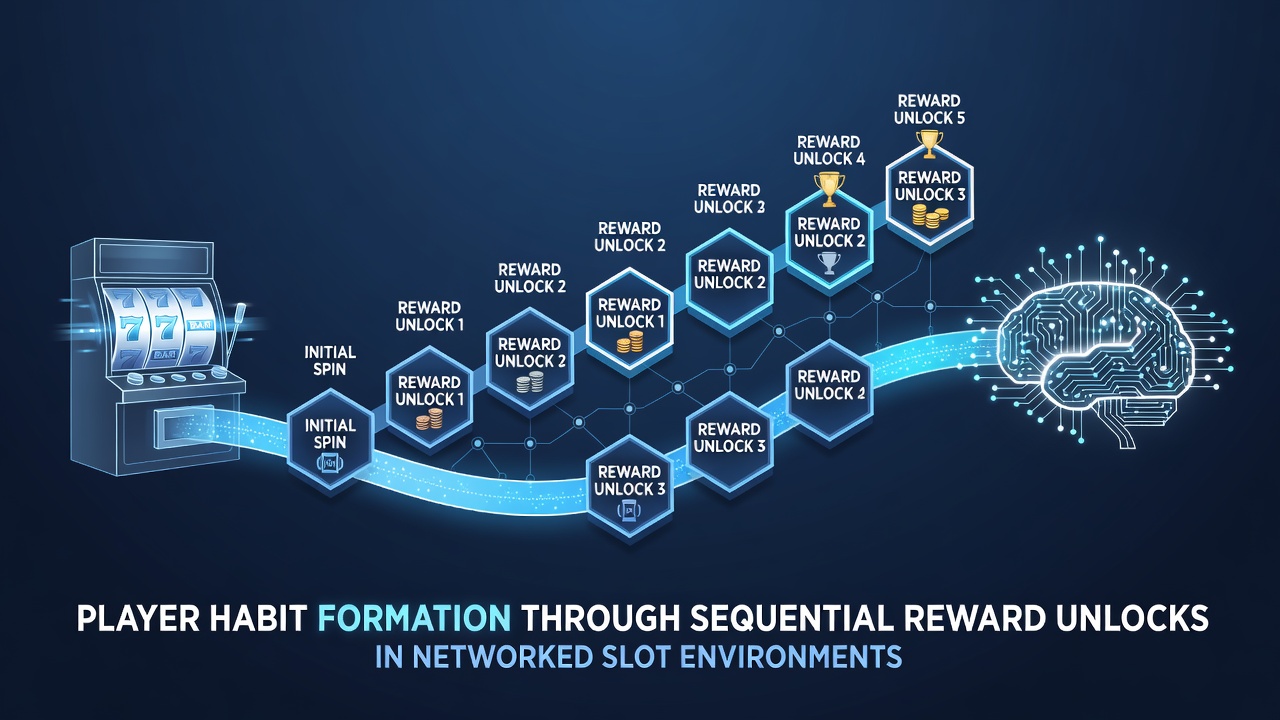
Player Habit Formation Through Sequential Reward Unlocks in Networked Slot Environments
Sequential reward unlocks operate through structured progression systems in online slot platforms where players advance through defined tiers after completing specific play thresholds or achieving designated outcomes, and these mechanics integrate across multiple connected devices to maintain continuity regardless of access point. Data from industry monitoring shows that such designs align with established patterns of operant conditioning, where consistent reinforcement schedules encourage repeated engagement over time, and networked environments amplify this effect by syncing progress in real time across mobile, desktop, and tablet sessions.
Mechanics of Sequential Unlocks in Connected Platforms
Networked slot environments track player activity through centralized servers that log spins, bet amounts, and session durations before granting access to successive reward stages, which might include enhanced free spin multipliers, exclusive symbol sets, or accumulated loyalty points redeemable for additional play credits. Operators implement these layers so that each completed stage triggers an immediate visual or auditory notification, prompting continuation into the next phase without requiring separate logins or manual transfers of data between devices. Research from the University of Nevada's gaming studies department indicates that variable interval schedules combined with fixed unlock milestones produce higher session lengths compared to static reward models, while cross-platform synchronization reduces friction that might otherwise interrupt momentum.
July 2026 reports from several North American operators noted increased average daily active users in titles featuring at least four sequential tiers, with progression markers updating instantly when players switched from desktop to mobile during the same session. This connectivity relies on account-based authentication rather than device-specific tracking, allowing progress to persist across sessions separated by hours or days.
Behavioral Patterns Observed in Multi-Device Usage
Players frequently begin sessions on one platform and resume on another, with the unlock sequence serving as the common thread that preserves accumulated advancement. Figures from the Nevada Gaming Control Board reveal that accounts linked across three or more device types showed 28 percent longer cumulative play time in the first half of 2026 than single-device accounts, particularly in games where reward tiers reset weekly or monthly. The design encourages checking in during brief windows, since partial progress toward the next unlock carries forward automatically once the player returns.
Observers note that visual progress indicators, such as filling meters or unlocking new levels, function as persistent cues that prompt return visits even when the immediate session ends. Networked systems further support this by sending optional push notifications when a tier becomes available, though engagement rates vary by jurisdiction and operator policy.
Data on Retention and Session Metrics
Studies conducted by Monash University researchers in Australia examined engagement logs from integrated slot networks and found that sequences requiring between five and eight incremental steps before major payouts correlated with sustained weekly participation rates above those seen in non-tiered formats. The analysis covered platforms operating in multiple regulatory markets and controlled for variables such as game volatility and bonus frequency. Retention curves flattened less steeply when players could view their current unlock status at any point, suggesting that transparency about remaining steps supports continued activity.
Canadian provincial data collected through the Alcohol and Gaming Commission of Ontario similarly documented elevated repeat login rates in environments where reward progress synced across applications, with the effect most pronounced among accounts active on both weekday evenings and weekend mornings. These patterns emerge because the networked infrastructure eliminates the need to restart progression, allowing players to build on prior activity without resetting counters.
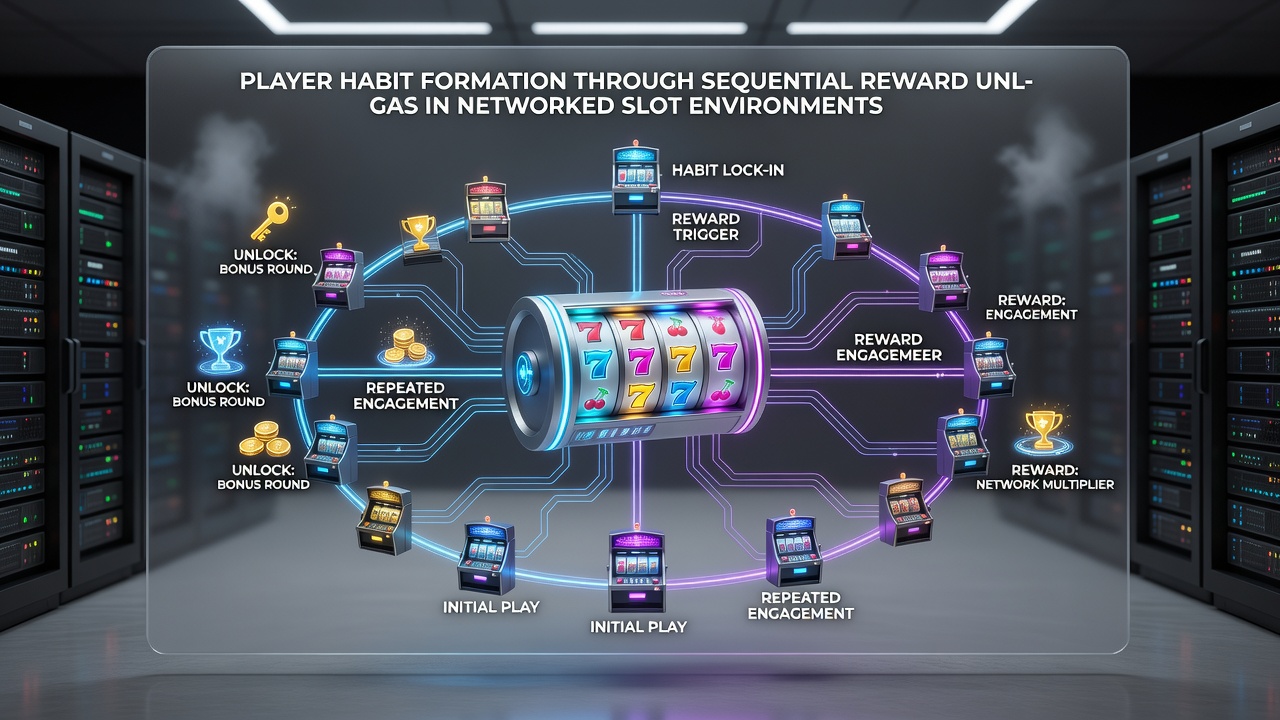
Integration with Broader Platform Features
Sequential systems often intersect with other networked elements such as shared leaderboards or community milestones that advance collectively when individual players complete personal tiers. This layered approach distributes reinforcement across both personal and group achievements, extending the period during which players remain attentive to platform activity. European operators regulated under the Malta Gaming Authority have reported similar structures in titles that combine individual unlock paths with periodic network-wide events, where completion of personal stages contributes points toward collective goals visible to all participants.
Technical implementations typically store progression data in cloud-based profiles rather than local device memory, which supports seamless transitions and reduces discrepancies when network connectivity fluctuates. Developers test these features extensively to ensure that unlock events trigger reliably within milliseconds of the qualifying action, maintaining the perceived immediacy of the reward sequence.
Conclusion
Sequential reward unlocks embedded in networked slot environments create continuous progression pathways that align with documented behavioral reinforcement principles, and the synchronization across devices sustains momentum by removing barriers between sessions. Available metrics from regulatory bodies and academic analyses demonstrate measurable differences in session duration and return frequency when these systems operate effectively. As platforms continue to refine cross-device connectivity, the structural elements that support habit formation through staged rewards remain central to observed engagement patterns in this segment of interactive gaming.