Patterns in Retention Linked to Tiered Incentive Structures Across Reel Prize Contests on Wireless Platforms
Ellis Albrecht · Jul 19, 2026
Patterns in Retention Linked to Tiered Incentive Structures Across Reel Prize Contests on Wireless Platforms
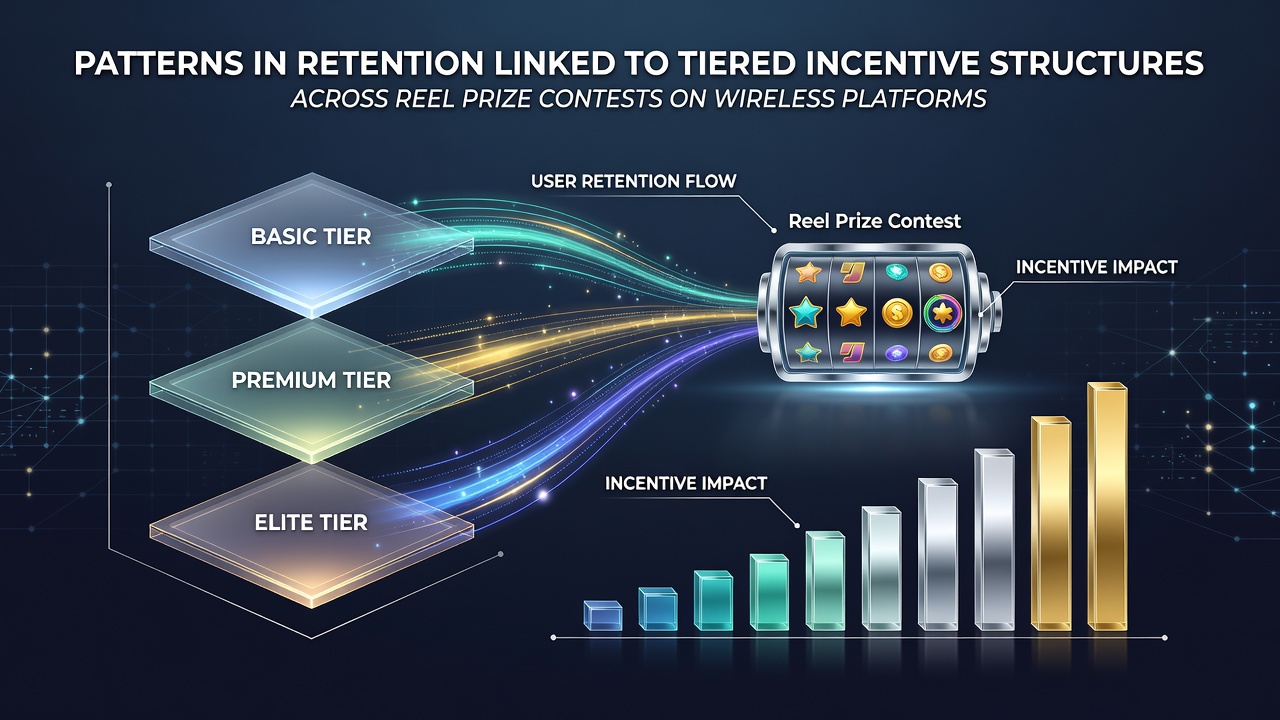
Reel prize contests on wireless platforms operate through mobile applications that feature slot-style games offering cash or credit prizes, and operators track how different incentive layers influence the length of time users remain active. Data collected across multiple services shows that participants move through bronze, silver, and gold tiers based on cumulative play volume, with each level unlocking additional free spins, bonus credits, or exclusive contest entries. Retention figures indicate that users who reach the silver tier within the first thirty days exhibit longer session durations compared with those who stay in the entry-level bracket.
Mechanics of Tier Progression on Mobile Systems
Wireless platforms record every spin and wager through backend analytics that feed directly into loyalty algorithms, and these systems calculate tier advancement using a combination of total bets placed and frequency of logins over rolling thirty-day windows. Higher tiers grant users accelerated prize multipliers during limited-time reel events, while lower tiers receive standard reward rates. Observers note that progression speed varies by region because regulatory caps on promotional credits differ between jurisdictions such as Nevada and several Canadian provinces.
Platform operators adjust the thresholds for each tier periodically, and July 2026 updates to several major apps introduced dynamic targets that scale with a user’s recent activity rather than fixed lifetime totals. This adjustment produced measurable shifts in the distribution of users across tiers, with a larger share advancing to silver within two weeks of the change.
Retention Metrics Across Incentive Layers
Retention statistics compiled from multiple reel prize services reveal that users who unlock gold-tier status maintain weekly activity rates approximately forty percent higher than those remaining in bronze after ninety days. The same datasets show that silver-tier participants demonstrate the steepest drop-off when bonus credit issuance slows, suggesting that the perceived value of mid-tier rewards plays a central role in continued engagement. Cross-platform comparisons indicate that applications integrating real-time tier progress notifications experience lower churn at the bronze-to-silver transition point.
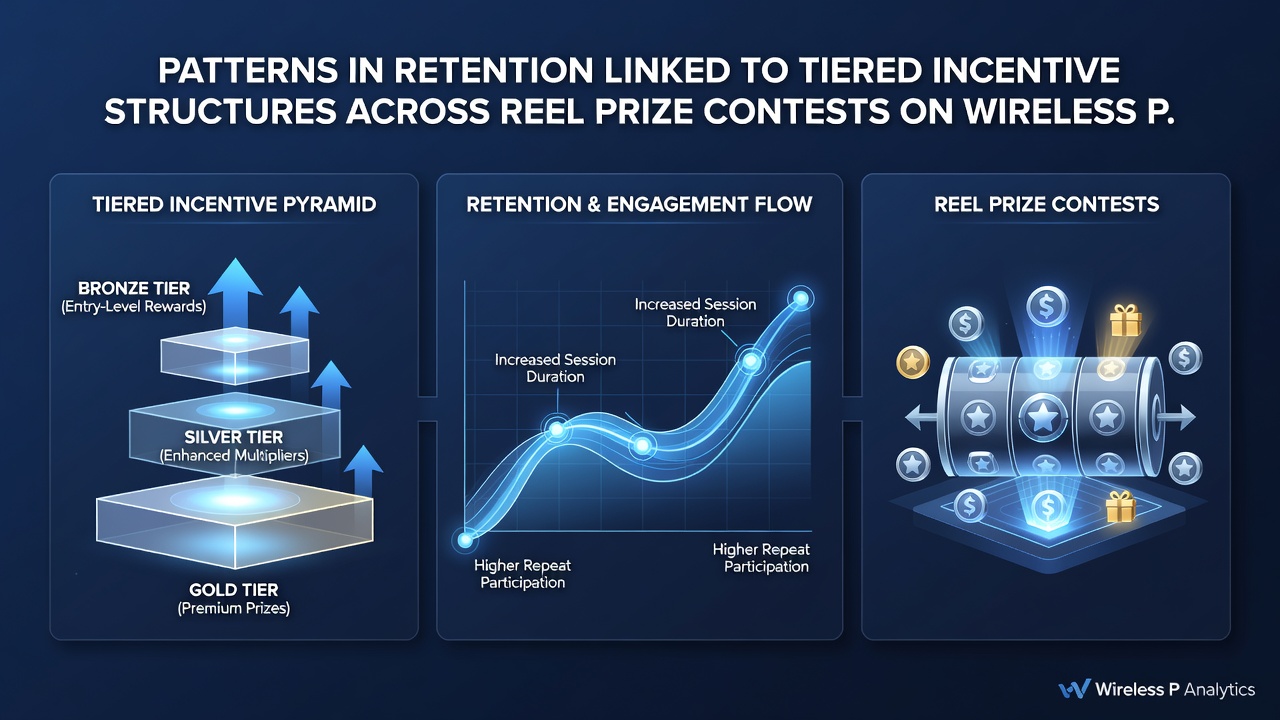
Researchers who examined anonymized transaction logs found that the introduction of tier-specific reel contests, such as exclusive jackpot pools available only to gold members, correlated with extended play streaks measured in consecutive daily logins. These patterns hold across both iOS and Android user bases, although Android cohorts displayed slightly higher advancement rates into the top tier during promotional periods.
Regional Variations and Regulatory Context
North American operators report that state-level rules on prize contest advertising affect how visibly tiers are promoted within apps, and services operating under stricter disclosure requirements display tier benefits in separate menu sections rather than during active gameplay. According to figures published by the American Gaming Association, mobile prize contest revenue in regulated markets grew steadily through the first half of 2026, with tiered loyalty features cited among the drivers of repeat participation. In contrast, operators in parts of Australia follow guidelines from the Australian Communications and Media Authority that limit the frequency of bonus notifications, producing different retention curves at equivalent tier levels.
Industry reports further document that platforms offering seamless integration between tier status and external payment wallets see faster progression through incentive layers, because users can fund accounts without leaving the application. This technical linkage reduces friction at each tier boundary and supports sustained engagement over multi-week periods.
Observed Patterns in User Behavior
Behavioral data aggregated across several wireless services shows that users who receive tier-up notifications within twenty-four hours of meeting requirements return for at least one additional session at rates exceeding seventy percent. Conversely, delays in crediting tier benefits coincide with measurable declines in login frequency during the following week. Reel prize contests that tie bonus reel entries directly to current tier status rather than generic daily rewards produce longer average session lengths among silver and gold participants.
Analysts tracking these metrics note that seasonal events, such as summer reel tournaments scheduled for July 2026, temporarily flatten retention differences between tiers because entry-level users gain access to elevated prize pools for limited windows. Once such events conclude, the original tier-linked patterns reassert themselves within two to three weeks.
Conclusion
Patterns emerging from retention data across reel prize contests on wireless platforms demonstrate consistent associations between tier advancement speed, reward visibility, and continued user activity. Mobile operators continue to refine threshold calculations and notification timing in response to these observed trends, while regulatory frameworks in different regions shape the manner in which incentive structures are presented. Ongoing collection of session and progression metrics provides the factual basis for understanding how layered rewards interact with user longevity in this segment of mobile gaming.