Patterns Emerging From Payment Choice Variations Within Progressive Prize Ecosystems on Handheld Platforms
Otto Peters · Jun 28, 2026
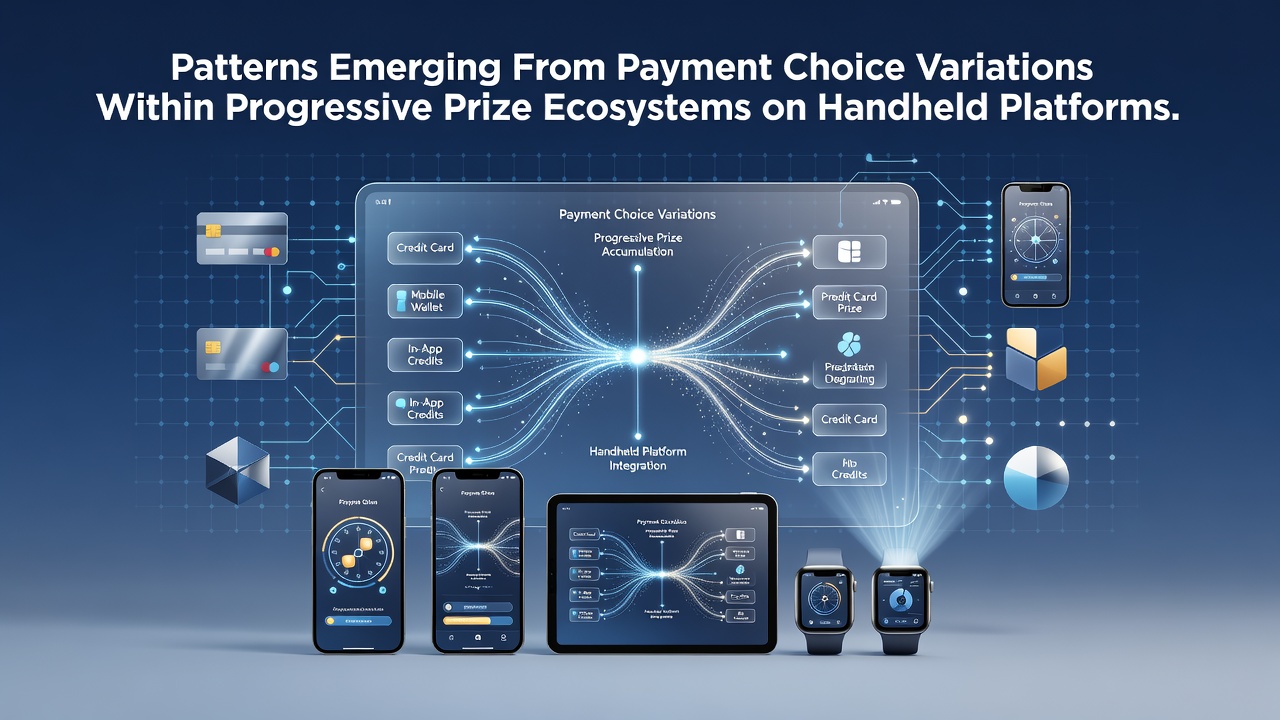
Patterns Emerging From Payment Choice Variations Within Progressive Prize Ecosystems on Handheld Platforms
Payment method selections continue to shape how players interact with progressive prize systems on handheld platforms, and data collected across multiple markets shows distinct patterns emerging in 2026. Mobile gaming ecosystems track these choices through transaction logs, and analysts note that digital wallet usage often correlates with faster progression through prize tiers compared to traditional card payments.
Observers at industry research firms have documented shifts in user behavior since early 2025, particularly around how instant payment options influence entry frequency into progressive pools. Handheld platforms, which account for a growing share of interactive gaming activity, record higher session continuity when users select e-wallet solutions that bypass multi-step authorization processes.
Transaction Speed and Prize Pool Contributions
Studies from North American gaming associations reveal that payment choices directly affect contribution rates to progressive jackpots on portable devices. Faster transaction confirmations, common with certain digital wallets, allow players to complete more rounds per session, which in turn increases aggregate contributions to shared prize pools. Data from Canadian provincial regulators indicates a measurable uptick in pool growth during periods when mobile users favor instant-pay methods over slower bank transfers.
What's interesting is how these variations appear consistent across different game types. Players using prepaid digital currencies on handheld platforms tend to trigger incremental prize escalations more frequently, according to aggregated reports from multiple operators. This pattern holds in both regulated U.S. states and Australian markets where mobile penetration exceeds 70 percent of total gaming activity.
Regional Variations in Payment Preferences
European regulatory bodies outside the United Kingdom have compiled figures showing that SEPA bank transfers remain popular in certain regions, yet they produce slower prize pool momentum on handheld devices compared to local instant-payment apps. In contrast, markets in Asia-Pacific demonstrate stronger alignment between cryptocurrency options and elevated retention within progressive ecosystems, with transaction data pointing to extended play cycles during peak evening hours.
Researchers tracking June 2026 activity across portable platforms found that regions with widespread adoption of government-backed digital payment rails recorded steadier prize accumulation curves. These systems reduce friction at the point of funding, allowing contributions to register in real time and supporting the layered bonus structures common in mobile progressive titles.
Engagement Metrics Tied to Payment Flexibility
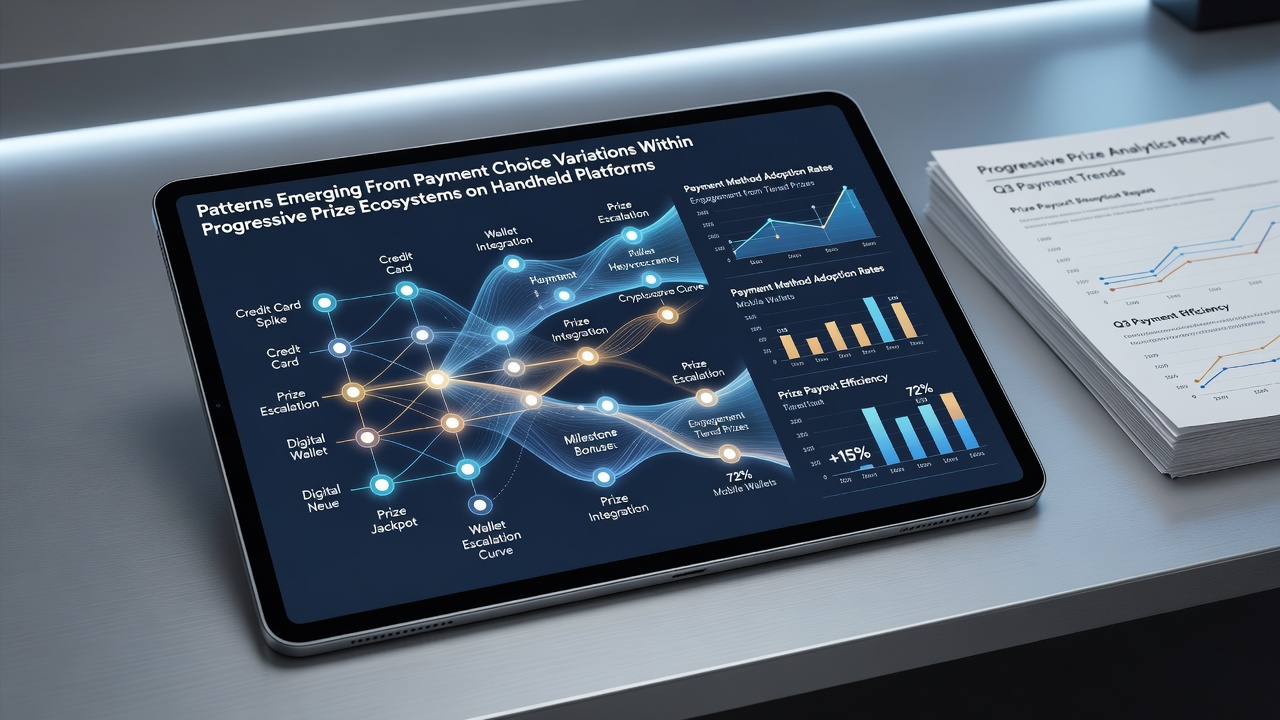
Evidence from academic studies published by university gaming research centers highlights connections between payment flexibility and session length on handheld devices. Users who maintain multiple stored payment methods within a single app tend to exhibit more consistent participation in progressive prize rounds, as they encounter fewer interruptions when switching between funding sources mid-session. Figures released by Australian industry groups confirm that such multi-option setups correlate with higher average contributions per active account.
Observers note that handheld platforms equipped with seamless wallet integration tools show accelerated prize tier advancement during promotional windows. This occurs because players can respond quickly to time-limited boosts without exiting the game environment, a behavior pattern documented in transaction datasets from several U.S. commercial gaming reports.
Data Patterns Across Device Ecosystems
Cross-platform analysis conducted by trade associations demonstrates that payment choice variations produce measurable differences in how progressive prizes scale on smartphones versus tablets. Smaller screen devices often see quicker checkout flows when users default to saved digital wallet credentials, leading to denser clusters of contributions during short, repeated sessions. Larger tablet interfaces, by comparison, support more deliberate selection among payment types, which can result in steadier but less frequent pool injections.
Turns out these distinctions become especially clear when examining peak activity periods in June 2026, where mobile-specific data streams captured elevated prize momentum tied to one-tap payment confirmations. Regulatory filings from multiple jurisdictions provide the underlying numbers, showing that platforms prioritizing low-latency transaction paths achieve more uniform distribution of prize growth across user segments.
Future Tracking of Emerging Trends
Industry organizations continue to monitor how evolving payment technologies intersect with progressive prize mechanics on handheld platforms. Reports compiled through 2026 emphasize the value of granular transaction data for identifying which methods sustain long-term engagement with shared jackpot systems. Patterns observed so far suggest that continued diversification of payment rails will further differentiate contribution velocities across mobile ecosystems.
Conclusion
Patterns emerging from payment choice variations within progressive prize ecosystems on handheld platforms reflect measurable differences in transaction speed, regional preferences, and session continuity. Data gathered through mid-2026 indicates that digital wallet dominance and multi-method flexibility drive distinct prize pool dynamics, while slower options produce steadier but lower-volume contributions. Regulatory and academic sources across North America, Europe, and Asia-Pacific continue to supply the figures that document these ongoing shifts in mobile gaming behavior.