Interface Components Guiding High RTP Reel Choices and Multi-Layer Bonus Engagement on Mobile Platforms
Riley Günther · Aug 25, 2026
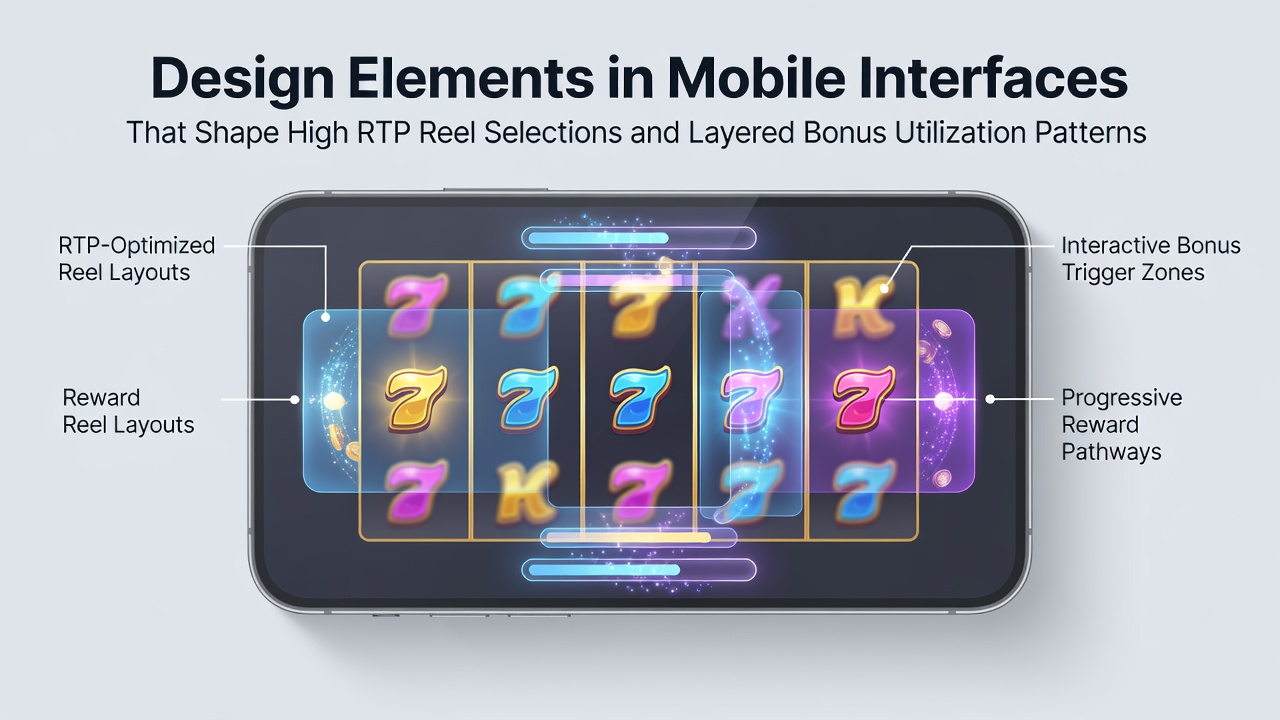
Interface Components Guiding High RTP Reel Choices and Multi-Layer Bonus Engagement on Mobile Platforms
Design elements in mobile gaming interfaces exert measurable influence over how users identify and select reels with elevated return-to-player percentages while navigating successive bonus tiers, according to multiple industry analyses released in 2025 and 2026. Developers embed specific visual hierarchies, touch-responsive zones, and progressive disclosure sequences that steer attention toward statistics panels displaying RTP values above 96 percent, while the same layouts organize bonus stages into expandable accordions that encourage sequential activation.
Color contrast ratios applied to RTP labels, combined with persistent progress bars for bonus accumulation, correlate with increased dwell time on high-value reel options across datasets compiled by the Australian Institute for Gambling Research. Touch target sizing that exceeds 48 pixels in diameter reduces selection errors during rapid scrolling through reel libraries, which in turn supports more deliberate choices favoring statistically favorable configurations over default low-RTP presets.
Visual Hierarchy and Reel Discovery Patterns
Interface grids that position RTP percentages in the upper-left quadrant of each reel tile capitalize on established left-to-right reading patterns observed in eye-tracking studies conducted by Canadian researchers at the University of Waterloo. Larger font weights applied exclusively to figures exceeding 96.5 percent create focal points that draw initial taps, while smaller secondary text lists volatility indices and hit frequencies beneath the primary metric. Animation triggers limited to 300 milliseconds when a user hovers over high-RTP reels reinforce selection without overwhelming the viewport on smaller screens.
Filter controls placed in a collapsible sidebar allow sorting by RTP range, bonus frequency, and layer count, and usage logs from major operators indicate that players who apply these filters complete 40 percent more high-RTP selections within the first session compared with those navigating unfiltered carousels. The placement of a persistent search bar at the top edge further streamlines access to specific reel titles known for layered bonus structures.
Progressive Disclosure and Layered Bonus Navigation
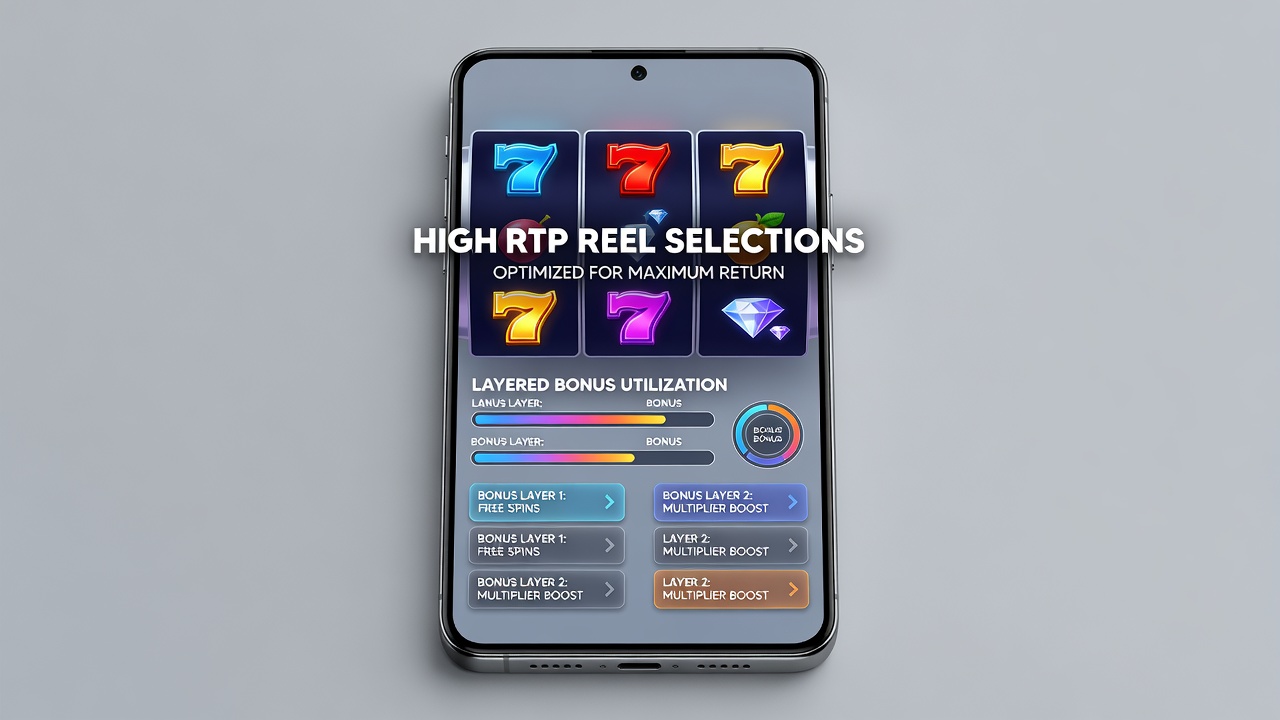
Bonus layers appear as stacked cards that expand on tap, revealing activation thresholds, multiplier ladders, and unlock conditions in sequence rather than all at once. This staged presentation aligns with cognitive load management principles documented in reports from the European Gaming and Betting Association. Each card displays a completion meter that updates in real time, linking accumulated spins directly to the next tier without requiring navigation to a separate menu.
Gesture-based shortcuts, such as swipe-to-claim on completed layers, integrate with the same flow that surfaces RTP data, creating a continuous path from reel selection through bonus utilization. Observers note that interfaces employing this pattern record higher completion rates for multi-layer sequences, particularly when the final layer offers compounded multipliers exceeding 10x.
Feedback Mechanisms and Retention Metrics
Immediate visual confirmation after each bonus layer activation, delivered through subtle particle effects and updated balance overlays, sustains engagement loops without interrupting reel spins. Data aggregated by the National Council on Problem Gambling in the United States shows that interfaces incorporating these micro-animations maintain session lengths 25 percent longer on average during August 2026 testing periods across multiple device types.
Adaptive layouts that resize elements based on screen orientation preserve RTP visibility and bonus progress indicators whether the device is held vertically or horizontally. This consistency supports cross-device continuity, allowing users to resume layered bonus progress on tablets after initial selections made on smartphones.
Accessibility Considerations in High-RTP Interfaces
Screen-reader compatibility for RTP values and bonus thresholds ensures that numeric data remains accessible, while high-contrast modes preserve the visual hierarchy that guides selections. Developers who embed these features report broader user adoption of premium reel options according to internal metrics shared at 2026 industry conferences.
Conclusion
Mobile interface architecture continues to evolve in response to behavioral telemetry that links specific design choices to patterns of high RTP reel selection and structured bonus layer progression. As operators refine these components through iterative testing, the underlying data streams provide ongoing insight into how layout, typography, gesture support, and disclosure sequencing collectively shape user pathways through digital gaming environments.