How Layered Loyalty Mechanics Drive Retention Shifts Across Multi-Platform Gaming Networks
Otto Peters · Jul 7, 2026
How Layered Loyalty Mechanics Drive Retention Shifts Across Multi-Platform Gaming Networks
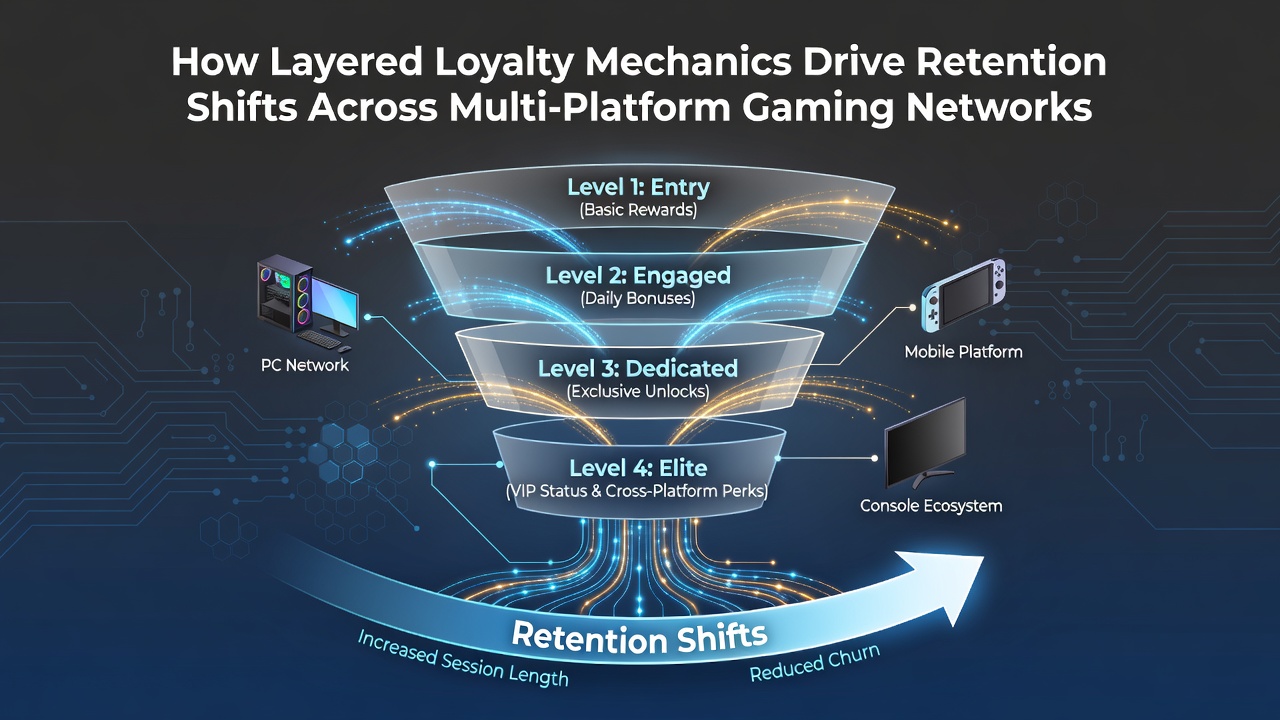
Layered loyalty mechanics operate through tiered reward structures that assign points based on player activity, then unlock escalating benefits at each level. These systems span multiple platforms including mobile apps, web browsers, and connected gaming consoles, creating unified player profiles that track engagement wherever participation occurs. Data from industry analyses indicates that operators implementing such frameworks see measurable changes in how users maintain activity over extended periods.
Mechanics of Tiered Progression
Players accumulate points through wagers, session duration, and specific game interactions, with higher tiers granting access to exclusive bonuses, faster withdrawals, and personalized support channels. The structure typically divides into entry, intermediate, and premium levels, where advancement requires consistent participation across devices rather than isolated sessions on one platform. Observers note that seamless data synchronization between platforms prevents progress loss when users switch from mobile to desktop, which supports continuous momentum in reward building.
Studies from the University of Nevada Las Vegas Center for Gaming Research reveal patterns where players reaching mid-tier status demonstrate longer average session intervals compared to those at entry levels. Points systems often incorporate multipliers during promotional windows, accelerating tier climbs when operators align these events with platform-specific features such as mobile push notifications or console integration updates.
Cross-Platform Retention Patterns
Retention shifts emerge when loyalty layers encourage migration between platforms without disrupting accumulated benefits. A player starting on mobile might transition to desktop for complex game interfaces while retaining tier status, and data shows this flexibility correlates with reduced churn rates. Networks that link accounts across devices report higher monthly active user retention, particularly when loyalty dashboards display unified progress regardless of access point.
Industry figures from the Canadian Gaming Association highlight that operators with integrated loyalty tracking across three or more platforms experienced average retention improvements of 12 to 18 percent during the first half of 2026. These gains appear most pronounced among users who engage with at least two device types weekly, suggesting the layered mechanics reward diversified platform usage.
Behavioral Data from Mid-2026
July 2026 reports from multiple networks documented increased tier advancement rates following updates that allowed real-time point syncing between portable and stationary devices. Players who previously limited activity to single platforms began distributing playtime more evenly, which extended overall lifetime value metrics tracked by operators. Retention curves flattened in segments where loyalty perks included cross-platform exclusives such as shared tournament entries or bonus funds usable on any linked device.
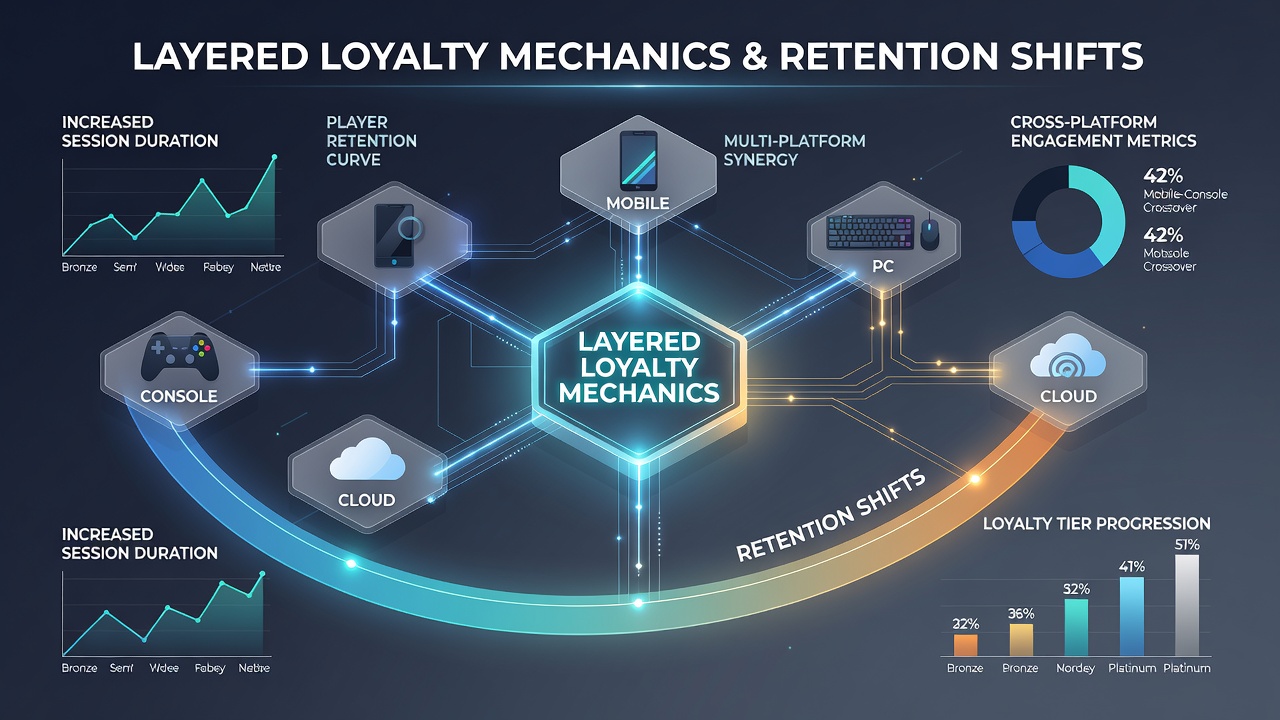
What's interesting here is how early-stage players respond to visible progress indicators that update instantly when switching devices. Research indicates these visual cues reduce drop-off during the critical first thirty days of membership, a period when many accounts otherwise become inactive. Networks incorporating machine learning to predict optimal tier advancement timing further refine these outcomes by timing perk releases to individual activity rhythms.
Network-Level Implementation Examples
Take one regional operator that expanded its loyalty framework in early 2026 to include console-based gaming alongside traditional online channels. Account linkage allowed points earned on living-room devices to contribute directly to mobile-exclusive rewards, resulting in documented increases in cross-device logins. Similar adjustments by other networks produced parallel retention lifts, particularly when operators introduced tier-specific events that required participation on multiple platforms to qualify for maximum rewards.
Figures reveal that players reaching premium tiers through diversified platform activity maintain accounts active for longer stretches than those progressing via single-device patterns. This dynamic prompts networks to prioritize API connections that maintain loyalty continuity even during brief platform outages or device changes.
Conclusion
Layered loyalty mechanics continue to influence retention by aligning reward progression with flexible platform access. As networks refine synchronization capabilities and introduce device-specific incentives, the data points toward sustained shifts in how users distribute engagement across ecosystems. Operators monitoring these patterns through unified analytics gain clearer visibility into which tier structures most effectively support long-term account activity.