How Interlinked Transaction Networks Influence Reward Tier Progression Across Portable Gaming Platforms
Riley Günther · May 26, 2026
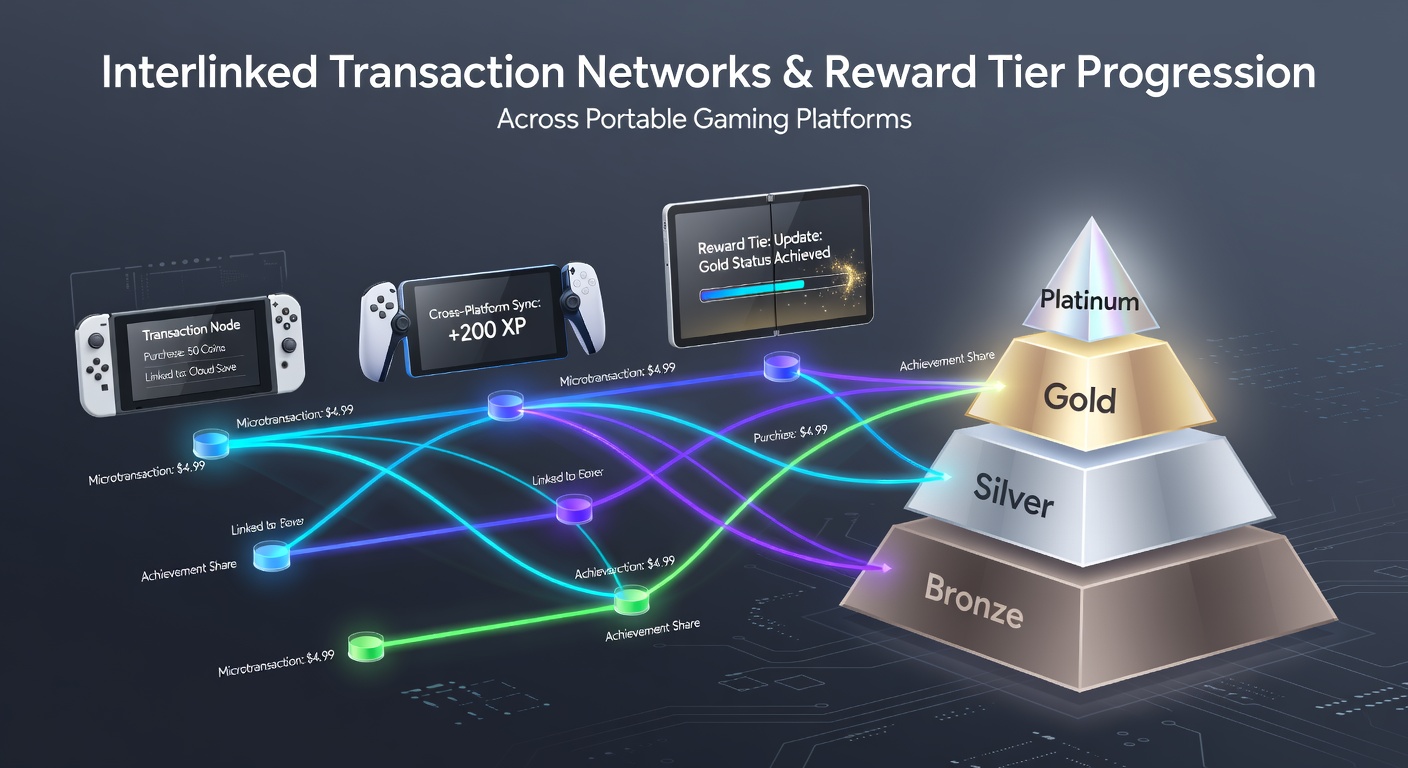
How Interlinked Transaction Networks Influence Reward Tier Progression Across Portable Gaming Platforms
Portable gaming platforms rely on networks that link payment processors, app stores, and developer servers to track user spending and activity, and these connections directly shape how players advance through reward tiers. Data moves between devices and services in real time, so purchases made on one smartphone or tablet update tier status across multiple accounts without requiring separate logins or manual transfers.
App stores such as those operated by major operating system providers serve as central hubs that authorize transactions and forward details to game servers, which then adjust loyalty points or status levels accordingly. When a user completes a purchase on a portable device, the network records the amount, item type, and timing, then calculates progression toward the next tier based on predefined thresholds set by the game developer.
Mechanics of Transaction Routing in Mobile Ecosystems
Transaction networks route funds and metadata through secure channels that include banks, payment gateways, and regional compliance layers before the game platform receives confirmation. This routing allows systems to verify identity and prevent duplicate entries, while simultaneously updating reward databases that span iOS, Android, and emerging handheld consoles. Observers note that delays in any segment of the chain, such as regional authorization holds, can postpone tier updates by several hours even though the underlying purchase registers instantly on the user's device.
Developers integrate application programming interfaces that pull transaction histories from multiple sources, enabling seamless progression whether a player switches between a phone during a commute and a tablet at home. Research from industry groups indicates that platforms using unified ledgers see higher retention rates because users maintain consistent tier access regardless of the hardware in use at any moment.
Cross-Device Data Synchronization and Tier Advancement
Interlinked systems synchronize user profiles through cloud-based identifiers that remain constant across sessions, so spending on one portable platform contributes to the same cumulative total viewed on another. This synchronization relies on encrypted tokens passed between the app store, the developer's backend, and any third-party analytics providers contracted for loyalty calculations. As of May 2026, several major titles reported that over 60 percent of tier advancements originated from transactions initiated on secondary devices rather than primary gaming hardware.
Those who study platform economics point to examples where integrated networks reduced the time to reach premium tiers by linking microtransactions across regions with different currency handling. A player purchasing virtual currency in one market sees the converted value applied to global progression metrics, which accelerates advancement when exchange rates favor higher effective spending.
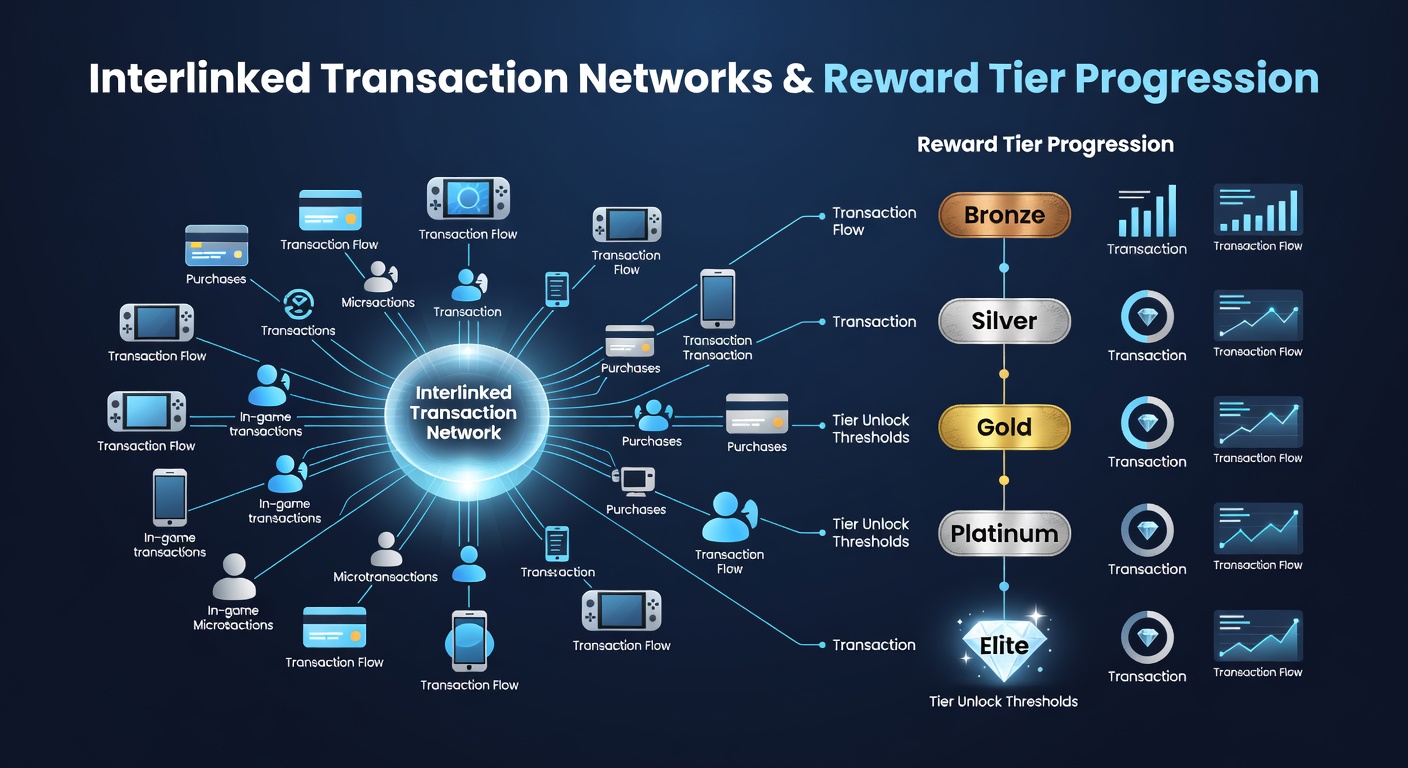
Impact of Third-Party Integrations on Progression Speed
Many portable gaming titles incorporate external services for payment options, subscription management, and promotional events, each of which feeds additional data into the core tier system. When these services operate under shared protocols, a single transaction can trigger multiple reward increments simultaneously, such as base points plus bonus multipliers from partnered campaigns. Data shows that titles employing such layered integrations achieve tier completion rates up to 35 percent faster than those relying solely on internal processing.
Regional variations appear in how these integrations function because local regulations dictate data sharing limits and consumer protection requirements. Australian authorities, for instance, have published guidelines on digital transaction transparency that influence how networks disclose tier criteria to users operating within their jurisdiction, while Canadian provincial bodies focus on age-appropriate verification layers that affect account linkage speed.
Security Protocols and Their Effect on Reward Continuity
Security measures embedded in transaction networks, including multi-factor authentication and fraud detection algorithms, occasionally interrupt the flow of progression data when anomalies trigger reviews. Yet these same protocols protect tier integrity by blocking unauthorized transfers that could artificially inflate status levels. Experts at organizations tracking digital commerce have documented cases where enhanced verification reduced fraudulent tier jumps by more than half within the first quarter of implementation.
Portable platforms benefit when networks employ standardized security certificates that allow rapid re-authorization after interruptions, keeping reward updates on schedule. The result appears in player dashboards that reflect accurate cumulative activity even after temporary network partitions or device switches.
Conclusion
Interlinked transaction networks form the backbone of reward tier systems on portable gaming platforms by enabling consistent tracking, rapid synchronization, and multi-source data aggregation that together determine how quickly users advance. Continued evolution in these connections, particularly around regional compliance and cross-service partnerships, will shape future progression mechanics as new devices and payment methods enter widespread use.