Examining how interface customization options shape reward accumulation patterns in progressive prize environments across portable devices
Otto Peters · Jun 30, 2026
Examining how interface customization options shape reward accumulation patterns in progressive prize environments across portable devices
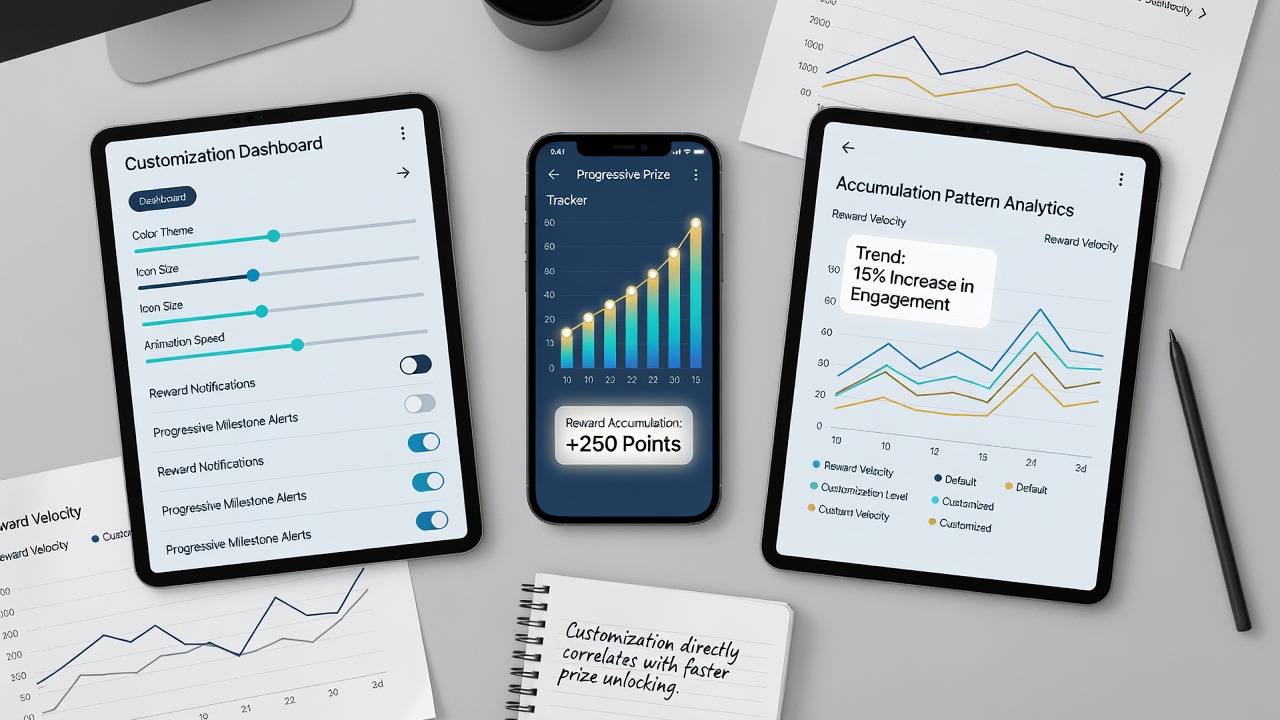
Progressive prize environments on portable devices have grown increasingly sophisticated, and interface customization options now play a direct role in how players interact with accumulating rewards. These options include adjustable progress bars, personalized notification settings, theme variations, and layout controls that let users modify how jackpot meters and contribution data appear on screen.
Interface Elements and Their Influence on Player Behavior
Customization features allow individuals to highlight specific reward metrics while minimizing others, which can shift the pace at which contributions build toward larger progressive pools. When users enlarge contribution counters or set alerts for incremental increases, they often maintain longer sessions because the visual feedback loops become more immediate and tailored. Data from multiple platform operators indicates that players who adjust these elements tend to increase their bet frequency within the same time frame compared to those using default layouts.
Screen real estate on portable devices adds another layer since smaller displays force trade-offs between visible information and clutter. Observers note that participants who streamline their interfaces by collapsing secondary panels or choosing compact reward summaries frequently accumulate points at steadier rates because distractions decrease and focus stays on the main jackpot progression. Conversely, those who expand multiple visual trackers sometimes experience fragmented attention that slows overall contribution momentum.
Patterns Observed Across Different Device Types
Tablets and smartphones produce distinct accumulation outcomes even when the same game runs on both. Tablet users who customize split-screen views often track multiple progressive tiers simultaneously, leading to diversified betting patterns that spread contributions across several prize levels. Smartphone users, limited by single-hand operation, more commonly select one-handed control schemes that prioritize quick-tap access to reward history, which correlates with higher per-spin contribution amounts in shorter bursts.
Research conducted through industry analytics platforms shows measurable differences in June 2026 when compared to earlier periods, particularly in how push notification customization affects return rates to active sessions. Players who configure reward alerts to trigger only after significant threshold crossings demonstrate more consistent accumulation curves than those receiving every minor update.
Customization Tools and Reward Tracking Efficiency
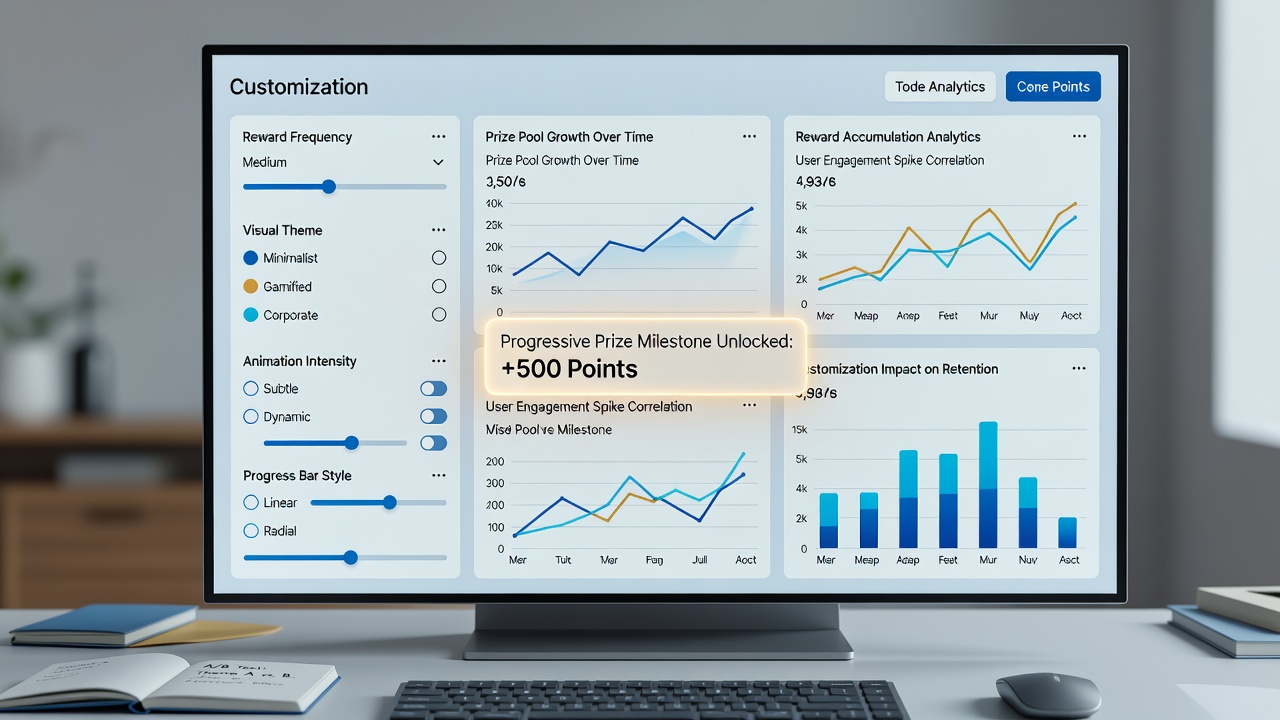
Advanced customization suites now include color-coded contribution graphs and goal-setting modules that players can align with personal accumulation targets. These tools connect directly to backend progressive systems, so visual adjustments reflect real-time data without requiring additional navigation steps. Operators report that engagement metrics rise when users apply these features because the interface effectively becomes a personalized dashboard rather than a static display.
One study released by the National Council on Problem Gambling examined mobile gambling sessions and found correlations between layout personalization and session duration across several hundred thousand anonymized accounts. Participants who modified reward visibility settings showed steadier contribution patterns, while default interface users displayed more sporadic activity spikes.
Regional Data and Platform Variations
Regulatory reports from the Australian Gambling Research Centre highlight similar trends in markets where mobile progressive games hold significant market share. The findings emphasize that customization depth varies by operator, yet the underlying mechanism remains consistent: greater user control over information presentation tends to stabilize reward accumulation rates over extended periods.
Portable device ecosystems continue to evolve, with operating system updates in 2026 introducing finer gesture controls that further influence how players manipulate interface elements during active play. These developments suggest ongoing refinement in the relationship between visual customization and progressive reward dynamics.
Conclusion
The interplay between interface customization and reward accumulation in progressive prize settings on portable devices rests on measurable behavioral data rather than isolated preferences. As platforms refine these options, patterns of contribution and session engagement continue to reflect the specific ways users choose to display and interact with accumulating prize information.