Decoding Linkages Between Transaction Flexibility and Retention Patterns in Multi-Device Gaming Environments
Ulrich Baumann · Jun 9, 2026
Decoding Linkages Between Transaction Flexibility and Retention Patterns in Multi-Device Gaming Environments
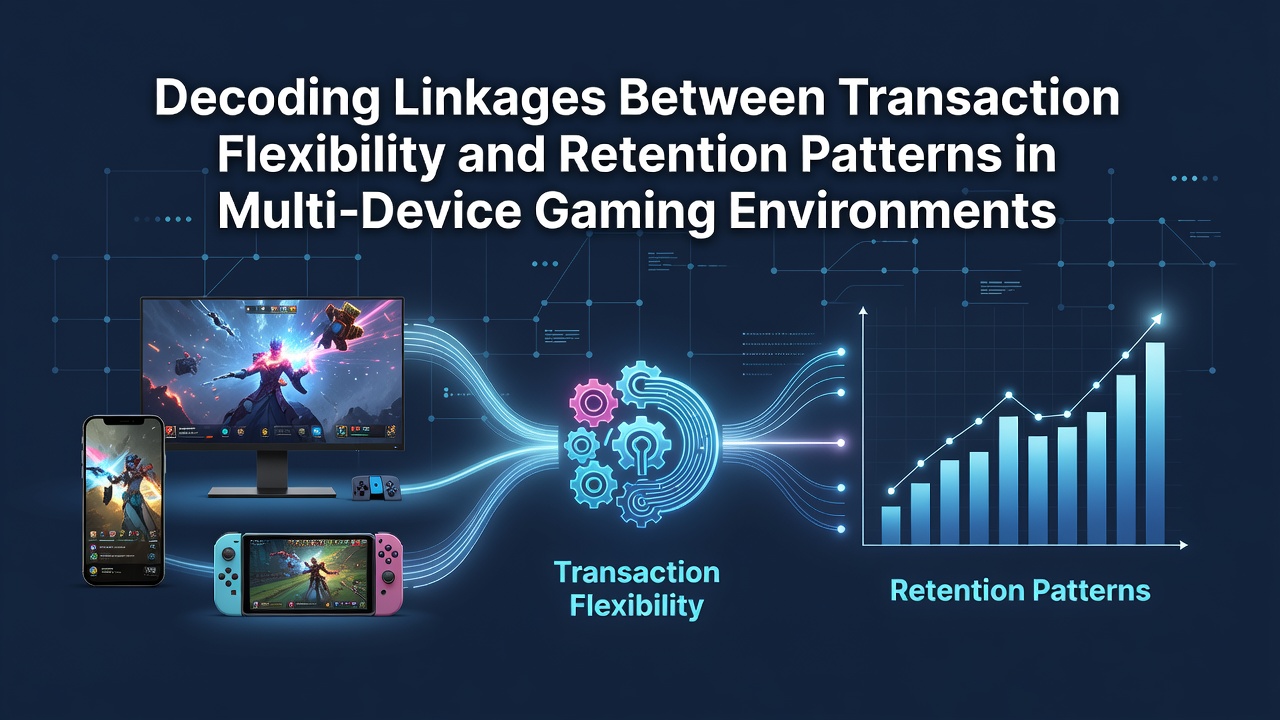
Transaction flexibility in multi-device gaming environments refers to the range of payment options, deposit speeds, withdrawal processes, and cross-platform compatibility that operators provide to users. Research indicates these elements connect directly to retention patterns, where players continue engaging across sessions on phones, tablets, and computers. Data from industry analyses shows that platforms allowing instant transfers via digital wallets or bank links often see users maintain activity levels over longer periods compared to those with rigid payment structures.Core Elements of Transaction Flexibility
Transaction flexibility encompasses several operational features that adapt to user behavior across devices. These include support for multiple currencies, integration with e-wallets, and the ability to complete actions without device-specific restrictions. Studies from gaming research bodies reveal that when systems permit seamless switches between mobile apps and desktop interfaces during a single transaction, completion rates rise noticeably. Observers note that this adaptability reduces friction points, which in turn influences how frequently individuals return to the platform.
Payment method variety plays a central role here. Platforms that incorporate credit cards alongside cryptocurrency options and instant bank transfers enable users to select based on preference rather than limitation. Figures from North American gaming reports demonstrate correlations between such variety and sustained session lengths, particularly when users access accounts from different hardware throughout the day. The reality is that rigid systems, by contrast, tend to interrupt these flows and prompt shifts to competing services.
Patterns of User Retention Across Devices
Retention patterns track metrics such as repeat logins, average time between sessions, and progression through loyalty tiers. In multi-device settings, these patterns emerge from consistent access rather than isolated visits. Evidence from European market studies suggests that players who engage via both portable and stationary devices show higher continuation rates when transaction processes remain uninterrupted. Analysts point to synchronized account states as a contributing factor, where balances and histories update in real time regardless of entry point.
Seasonal data collected through 2026 highlights shifts in these patterns. Reports compiled in June 2026 by regulatory monitoring groups in Canada and Australia indicate that environments with flexible transaction tools experienced steadier retention curves during periods of high mobile usage. Those who studied user logs across regions found that device switching often coincided with payment method changes, creating a feedback loop that encouraged ongoing participation.

Connections Between Flexibility and Retention
Linkages appear through measurable outcomes in engagement data. When transaction flexibility increases, retention indicators such as weekly active users and cross-device session frequency tend to stabilize or grow. Research conducted by academic teams at institutions in the United States and Singapore has mapped these relationships using anonymized platform records, revealing that reduced processing delays correlate with fewer account dormancies. The ball's in the operators' court when it comes to implementing these features, as the patterns become evident in aggregated statistics over time.
One study revealed that users encountering flexible withdrawal options across devices maintained activity for extended intervals before any lapse. This holds especially in environments where notifications about successful transfers arrive uniformly on all linked hardware. Data shows such consistency builds trust in the system, which translates into predictable return visits. What's significant is how these elements interact: a single flexible transaction can anchor a player to multiple devices rather than confining them to one.
Geographic variations add another layer. Monitoring from bodies like the Nevada Gaming Control Board alongside findings from iGaming Ontario illustrate that regions with updated transaction regulations see platforms adopt features that align with retention goals. In June 2026 updates, several operators adjusted their systems to accommodate broader payment integrations, and subsequent metrics reflected steadier player bases. Experts have observed that these adjustments do not guarantee outcomes but align with broader trends where flexibility supports continuity.
Case Examples from Platform Data
Take one operator who expanded digital wallet support across mobile and desktop versions in early 2026. Platform logs indicated that retention among multi-device users climbed as transaction completion times shortened. There's this case where researchers tracked cohorts over several months and noted fewer drop-offs when users could initiate deposits from a phone and finalize on a computer without re-entering details. Such examples underscore how operational choices shape behavioral continuity without relying on promotional incentives alone.
Another instance involved integration of layered payment confirmations that functioned identically regardless of device. According to aggregated reports from the American Gaming Association, this setup contributed to higher lifetime engagement values among tracked accounts. People who've examined these datasets often discover that the linkages strengthen when flexibility extends to both incoming and outgoing funds, creating balanced ecosystems rather than one-sided processes.
Conclusion
The connections between transaction flexibility and retention patterns continue to surface through ongoing data collection in multi-device gaming environments. As platforms evolve their payment infrastructures, retention metrics provide feedback on which adaptations sustain user involvement across hardware types. Regulatory updates and technological shifts, including those noted around June 2026, further shape these dynamics by influencing available options. Observers note that the patterns remain consistent across different markets when core flexibility principles apply uniformly.