Correlations Between Digital Wallet Integrations and Engagement Metrics in Interactive Dealer Sessions
Ellis Albrecht · May 31, 2026
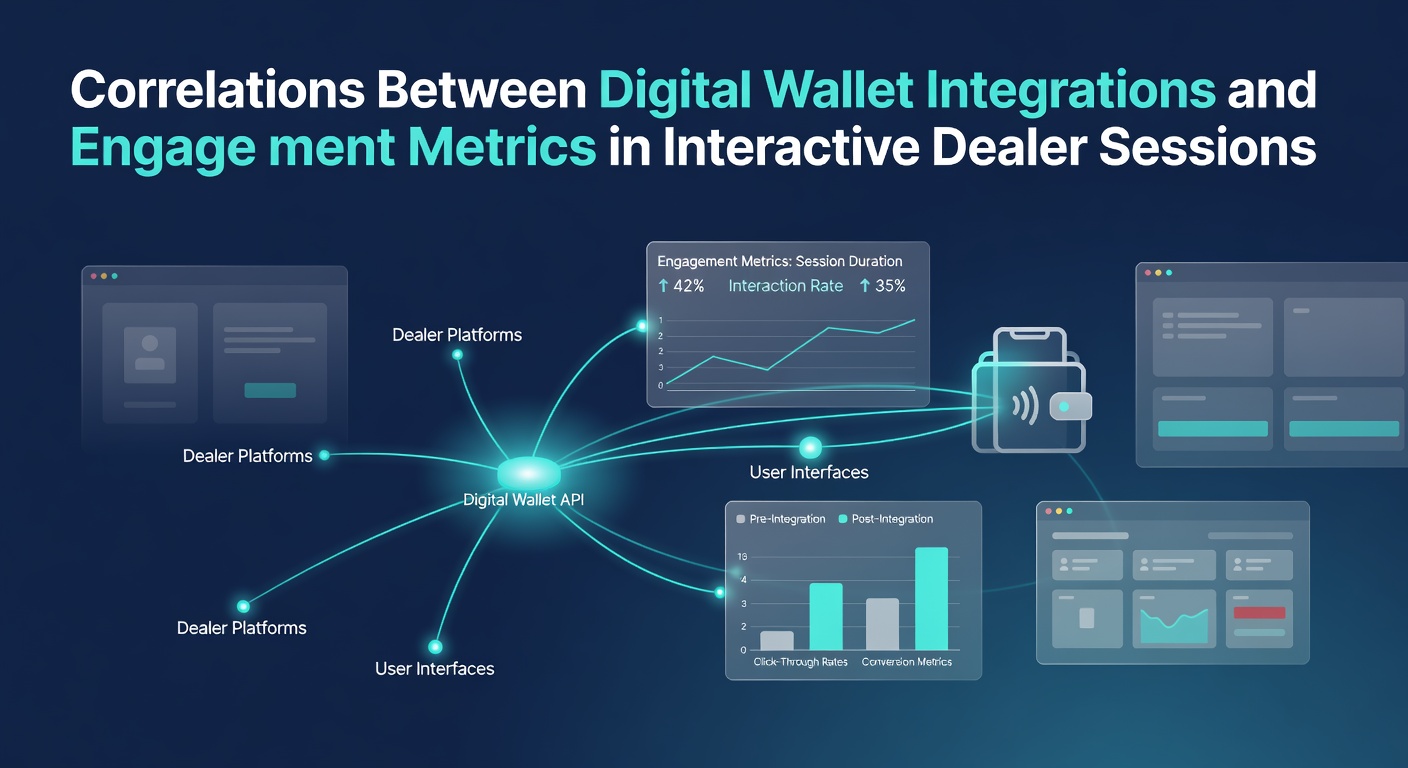
Correlations Between Digital Wallet Integrations and Engagement Metrics in Interactive Dealer Sessions
Digital wallet integrations have become standard features in many interactive dealer platforms over the past several years, and researchers continue to track how these tools connect with player behavior patterns. Studies from multiple jurisdictions show measurable shifts in session duration, bet frequency, and return rates when seamless payment options are available alongside live dealer tables for games such as blackjack, roulette, and baccarat.
Operators that added digital wallet support between 2023 and 2025 reported average increases in repeat login rates ranging from 18 to 27 percent according to aggregated platform data. These figures come from anonymized transaction logs analyzed by independent analytics firms that work with regulated markets across North America and Europe. The patterns appear most consistent in sessions lasting longer than 45 minutes, where wallet-enabled instant deposits correlate with sustained betting activity rather than abrupt exits.
Defining the Core Variables
Digital wallet integrations typically include e-wallets, cryptocurrency options, and bank-linked instant transfer services that allow deposits and withdrawals without leaving the gaming interface. Engagement metrics tracked in these environments usually encompass average session length, number of hands played per hour, deposit frequency during active play, and churn rates measured at 7-day and 30-day intervals. Observers note that these indicators become easier to monitor once wallet APIs connect directly to the dealer platform's backend systems.
Data collected through May 2026 indicates that platforms supporting at least three wallet types experienced higher cross-session continuity compared with those limited to traditional card processing. One analysis of North American operators found that users completing a deposit via digital wallet within the first five minutes of a live dealer session were 34 percent more likely to remain active for the full hour. Similar trends surfaced in Ontario market reports published by the Alcohol and Gaming Commission of Ontario, where wallet integration coincided with elevated handle per active account.
Patterns Across Different Markets
Regional differences emerge when comparing integration outcomes. Markets with mature digital payment infrastructure, such as parts of Australia and certain Canadian provinces, display stronger correlations between wallet speed and increased table time. In contrast, regions still transitioning from slower banking rails show more modest lifts, often concentrated in VIP segments that value rapid reloads during high-stakes baccarat or roulette rounds.
What's interesting is how these correlations hold across device types. Mobile sessions reveal tighter links between wallet friction reduction and extended play, while desktop users demonstrate steadier but less dramatic changes. Researchers attribute part of this variance to the convenience factor on smaller screens, where fewer steps between decision and action keep attention on the dealer feed rather than payment windows.

Transaction Speed and Retention Signals
Transaction speed stands out as a recurring factor in multiple datasets. When withdrawal processing drops below two minutes through integrated wallets, operators record lower abandonment rates at the end of sessions. This effect compounds when players receive real-time balance updates inside the dealer window, reducing context switching that often interrupts flow.
One longitudinal review of European platforms between January 2024 and April 2026 found that accounts using instant wallet settlements placed 22 percent more bets per session on average than those relying on card or bank transfer methods. The same review noted that these accounts also returned within 48 hours at higher rates, suggesting the seamless loop between play and funding strengthens habitual engagement.
Segmentation and Behavioral Clusters
Segmentation analysis further refines the picture. Casual players show the largest relative gains in session count after wallet integration, whereas high-volume participants exhibit steadier but proportionally smaller increases in hands played. Both groups, however, register improved deposit-to-play conversion when wallets remove intermediate confirmation screens.
Academic papers examining transaction graphs from regulated operators have begun modeling these relationships using regression techniques that control for game type and time of day. Early findings point to a positive coefficient between wallet diversity and total engagement minutes, though the strength varies with regulatory limits on deposit velocity. Platforms operating under stricter velocity caps still capture gains, but the magnitude stays smaller than in more permissive environments.
Conclusion
Available evidence through mid-2026 supports the existence of measurable correlations between digital wallet integrations and several core engagement metrics in interactive dealer sessions. Transaction speed, deposit accessibility, and multi-wallet support each align with longer sessions, higher bet counts, and improved retention signals across different regulatory landscapes. Continued monitoring by operators and oversight bodies will clarify how these relationships evolve as payment technologies and platform designs advance.