Adaptive Payment Ecosystems and Their Influence on Tiered Loyalty Progression in Virtual Gaming Hubs
Casey Peters · Aug 11, 2026
Adaptive Payment Ecosystems and Their Influence on Tiered Loyalty Progression in Virtual Gaming Hubs
Virtual gaming hubs have integrated adaptive payment ecosystems that adjust transaction flows based on user behavior and platform rules, and these systems directly shape how players advance through loyalty tiers. Data from 2026 shows payment flexibility often determines reward velocity, since instant processing and multi-method support reduce friction in point accumulation. Observers note that platforms using real-time wallet syncing see faster tier climbs compared to those relying on batch settlements.
Core Components of Adaptive Payment Systems
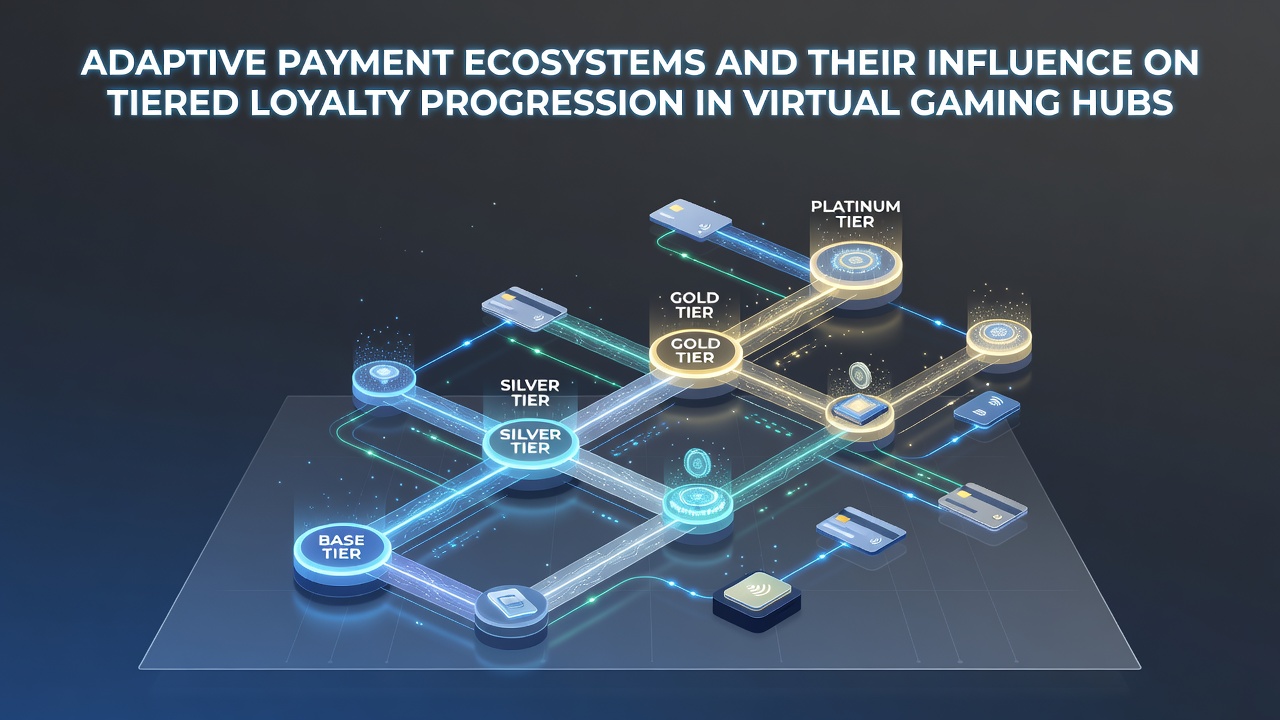
Adaptive payment ecosystems combine digital wallets, cryptocurrency gateways, and automated conversion tools that respond to player location, game type, and account status. These setups allow seamless shifts between fiat and token-based transfers without manual intervention. According to reports from the Canadian Gaming Association, platforms deploying such systems recorded a 27 percent rise in repeat deposit frequency during the first half of 2026. The same infrastructure tracks transaction metadata to feed loyalty algorithms, so each payment contributes to tier eligibility calculations in real time.
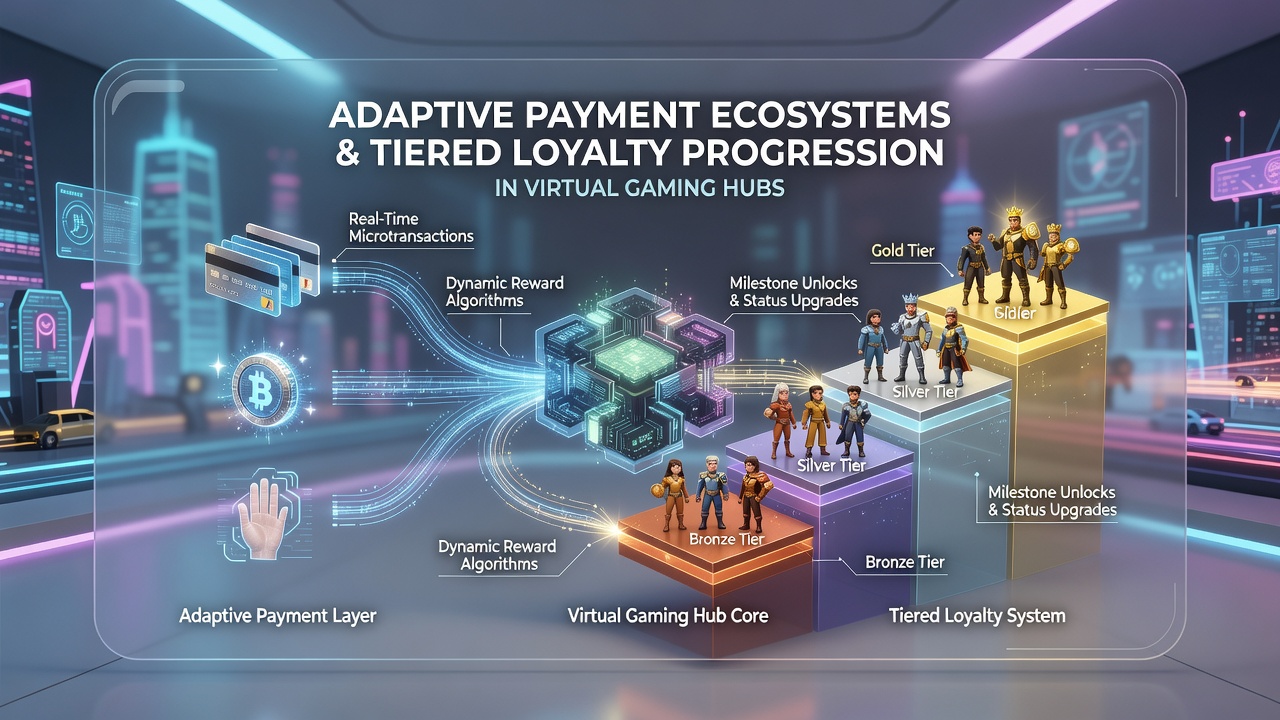
Payment processors now embed API hooks that share data with loyalty engines, and this linkage means a single deposit can trigger both balance updates and progress bars. Those who have examined platform architectures point out that conditional bonuses tied to payment method create additional acceleration paths. For instance, certain hubs award bonus points when players use instant bank transfers versus card options, and these mechanics compound over multiple sessions.
Tiered Loyalty Structures in Virtual Environments
Loyalty programs in virtual gaming hubs typically operate across five to seven tiers, with each level unlocking higher cashback rates, exclusive game access, and personalized support. Progression depends on metrics such as total wagered amount, deposit frequency, and session duration, all of which payment systems influence indirectly. Research compiled by the Australian Gambling Research Centre indicates that players using integrated wallet solutions reach mid-tier status 18 percent quicker than those limited to traditional banking rails.
August 2026 figures reveal that several major platforms adjusted their tier thresholds upward after observing accelerated advancement rates linked to new payment features. This adjustment maintains program sustainability while preserving the incentive value for high-volume users. Tier benefits often include dynamic multipliers that scale with payment consistency, creating a feedback loop where faster transactions encourage continued activity.
Mechanisms Linking Payments to Loyalty Advancement
Transaction speed directly affects point accrual timing because many hubs credit loyalty points only after funds clear. Adaptive systems that settle instantly eliminate these delays, allowing players to maintain momentum across gaming sessions. Industry data collected by the European Gaming and Betting Association shows that hubs offering sub-second wallet confirmations experience 34 percent higher tier retention rates among users who started the year at entry levels.
Payment method diversity also plays a role, since some platforms assign different point values to deposits made via e-wallets, bank wires, or stablecoins. This variation steers user choices toward options that simultaneously boost both balance and tier progress. Observers have documented cases where targeted payment promotions coincided with measurable spikes in tier upgrades, particularly during seasonal events. The connection becomes even clearer when platforms display projected tier dates based on current payment patterns, turning abstract goals into visible milestones.
Regional Trends and Platform Examples
North American virtual hubs expanded adaptive payment options throughout 2026 to accommodate growing demand for cross-border play, and this expansion coincided with revised loyalty frameworks that factor in currency conversion efficiency. European operators, by contrast, focused on regulatory-compliant instant transfer tools that still feed accurate loyalty data without violating data protection standards. Those tracking these shifts note that players in regulated markets often progress through tiers at steadier rates because payment verification steps are built into the loyalty calculation itself.
One documented pattern involves mobile-first platforms that embed payment loyalty accelerators within their apps. Users who enable recurring transfers receive automatic tier previews, and this visibility correlates with higher completion rates for advancement requirements. Figures released in August 2026 indicated that such features contributed to a measurable uptick in overall program participation across multiple jurisdictions.
Conclusion
Adaptive payment ecosystems continue to reshape tiered loyalty progression by shortening transaction cycles and embedding progress tracking into everyday deposits. Platforms that align payment flexibility with clear loyalty metrics maintain higher engagement across tiers, while those that lag in integration see slower movement between levels. Data from multiple regions confirms that the relationship between payment adaptability and reward velocity remains a central factor in virtual gaming hub operations as of 2026.